How to Revive Sourdough Starter Quickly
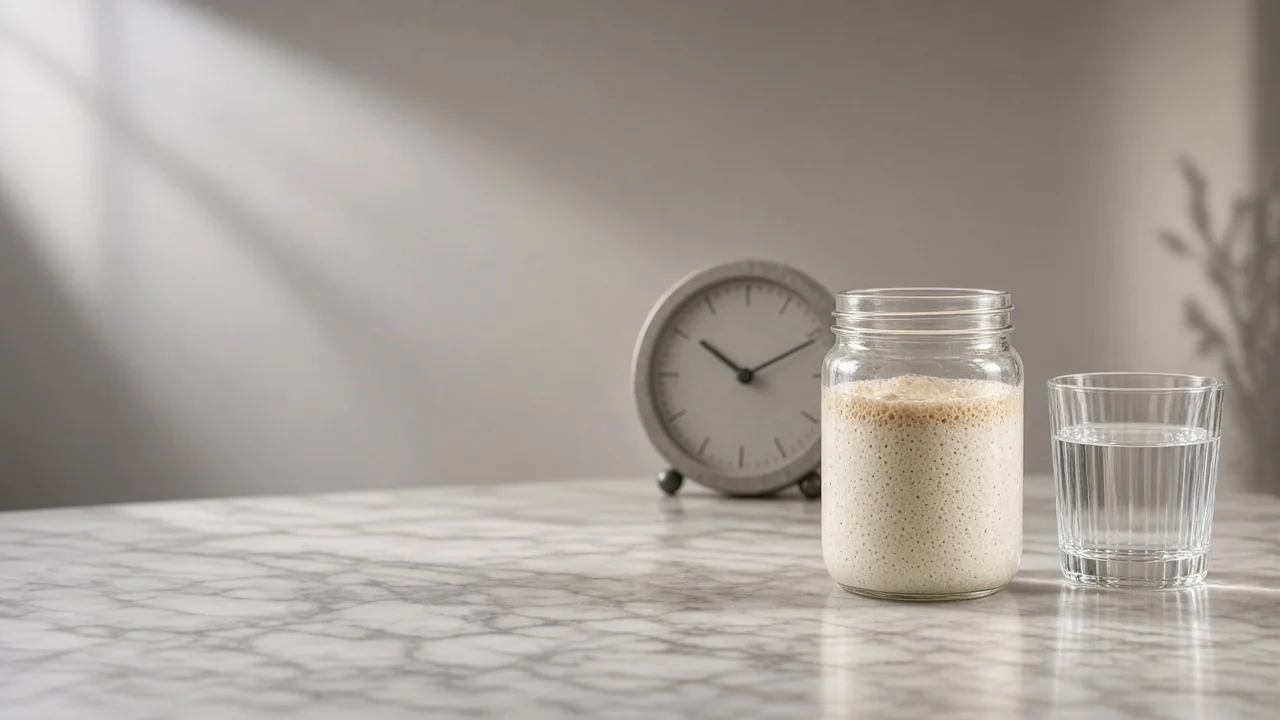
Bubba Goodcrumb's method: discard all but 20g starter, then feed with 40g flour and 40g water every 12 hours for 2 days at 78°F. Room-temperature location, like Las Vegas, NV conditions, speeds fermentation. Bubbles double within 6 hours once active, confirming the starter is ready for baking.
Dormant sourdough starters, even those neglected for weeks in the fridge, revive through consistent daily feedings of equal parts flour and water. Discard all but a tablespoon, feed twice daily, and expect bubbling activity within three to five days. Bubba Goodcrumb's Classic Bubba Starter typically shows signs of activity within 24 hours after consistent feeding. Full revival may take 3-7 days, showing revival is achievable with proper care.
Key Takeaways
Consistent feeding schedules produce consistent results when reviving dormant sourdough starters from refrigeration.
Regular feedings reactivate wild yeast and bacteria colonies within 3-7 days of revival.
Bubba Goodcrumb in Las Vegas recommends stress-free sourdough baking methods for beginner bakers.
Discard usage provides flexibility and ease throughout the sourdough baking process.
Is Your Sourdough Starter Really Dead?
Most starters are still alive, even after months of neglect. Sourdough cultures earn a reputation as tough survivors, and that reputation holds up in almost every kitchen. Visible mold is the single deal-breaker. Short of that fuzzy, colorful growth, a baker can typically revive sourdough starter cultures that look completely abandoned.
That toughness comes down to biology. Wild yeast and lactic acid bacteria go dormant when starved of flour, but dormant is not dead. A neglected jar on the counter or in the back of the fridge can sit for weeks without losing its ability to bounce back.
Does a black liquid layer mean the starter is dead?
No — a thick, dark liquid pooling on top of a starter is not a death sentence. That murky layer, sometimes called hooch, simply signals hunger, not failure. Bakers can pour it off or stir it back in before beginning the process to reactivate starter cultures with fresh feedings.
What actually kills a sourdough starter?
Very little, short of mold. A starter smells sharp, boozy, or even unpleasant when dormant, and none of that indicates death. The only reliable red flag is visible mold growth. Fuzzy spots in blue, green, pink, or black — which means the batch should be discarded.
Before assuming the worst, a baker can compare a struggling jar against a known reliable culture. Bubba Goodcrumb's Classic Bubba Starter, for instance, offers a gentle tang and, once reactivated, bubbles and doubles reliably a few hours after each feeding, giving a clear benchmark for what healthy activity looks like. That comparison makes it easier to judge whether an old jar simply needs patience. And a plan — to bring starter back to life rather than a fresh start entirely.

What Tools Do You Need Before Reviving?
Three items separate a successful comeback from a wasted attempt: filtered water, a reliable feeding schedule, and a culture built for resilience. Bakers holding a neglected jar in the back of the fridge need these tools staged before opening the lid. Trying to revive sourdough starter without proper prep usually ends in another failed attempt and a longer wait.
Water quality tops the list. Bernadette Valer discovered this the hard way in Las Vegas. Tap water heavy with chlorine and minerals was killing her cultures outright. Filtered or dechlorinated water removes that threat and gives sluggish yeast a real chance to wake back up.
Gathering supplies ahead of time saves both effort and starter:
Filtered water, free of chlorine and heavy minerals
Unbleached all-purpose or whole wheat flour for feeding
A clean glass jar with a breathable cover
A kitchen scale for accurate flour-to-water ratios
A written care guide for reference during each feeding
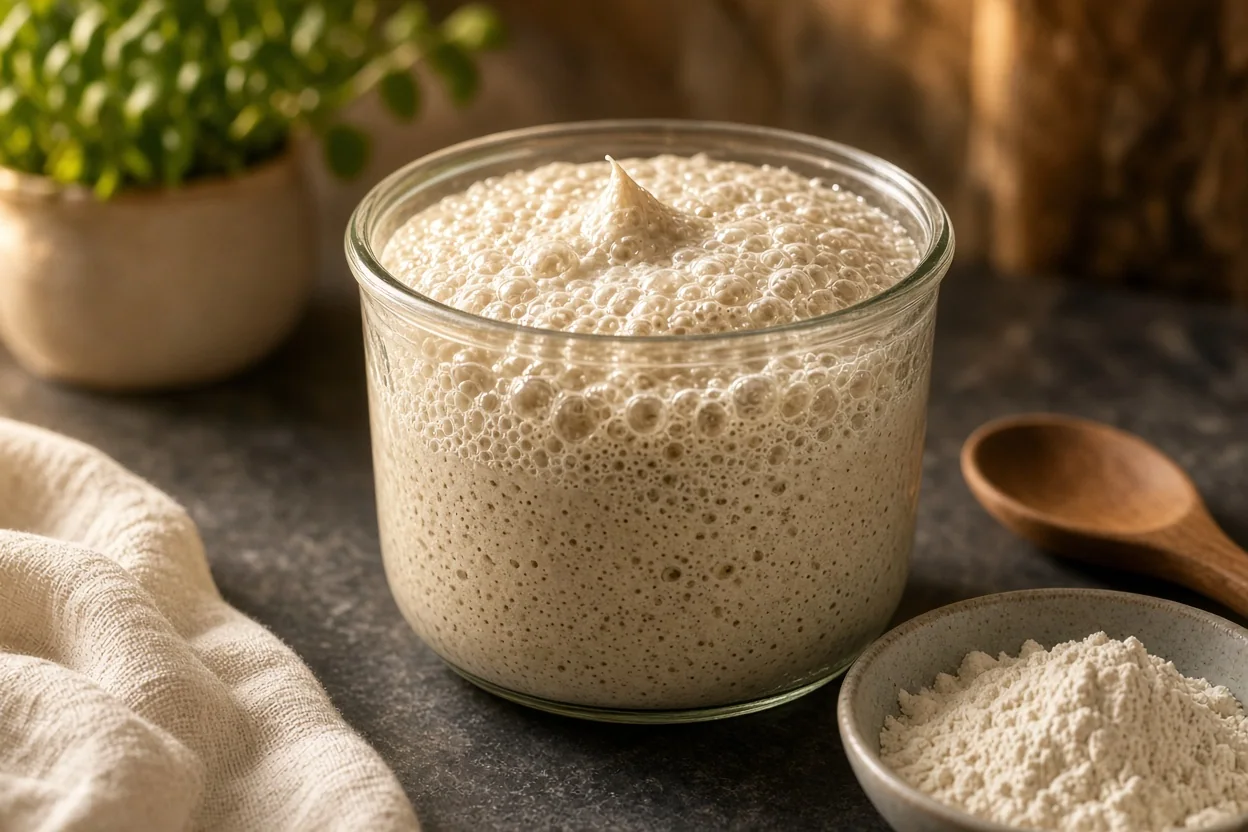
Does a starter need a special culture to bounce back?
Not every starter recovers at the same pace. Older, weaker cultures sometimes lack the vigor needed for a fast turnaround, no matter how carefully they're fed. A resilient culture such as the Classic Bubba Starter, which reactivates at home over several days of feeding, offers a sturdier base for anyone trying to reactivate starter that has gone quiet. Pairing that resilience with the detailed care guide included in every order removes the guesswork from timing and ratios.
Consistency remains the real secret tool. A steady, repeatable feeding process produces a steady, predictable starter. Irregular care is often what stalled things in the first place. Bakers ready to bring starter back to life should trust process over guesswork every time.
How Do You Assess Your Starter's Condition First?
A quick visual check settles most worries in seconds. Mold on the surface is the one true red flag. Without it, most neglected starters remain fully able to revive sourdough starter function once fed again. Bakers rushing to toss a jar often skip this step entirely, and that's a mistake worth avoiding.
Start with the eyes, not the nose. Fuzzy spots in pink, orange, black, or green mean the culture is done — no exceptions. Everything else, including gray liquid on top, brown coloring, or a sharp, boozy smell, points to a starter that's simply hungry, not dead.
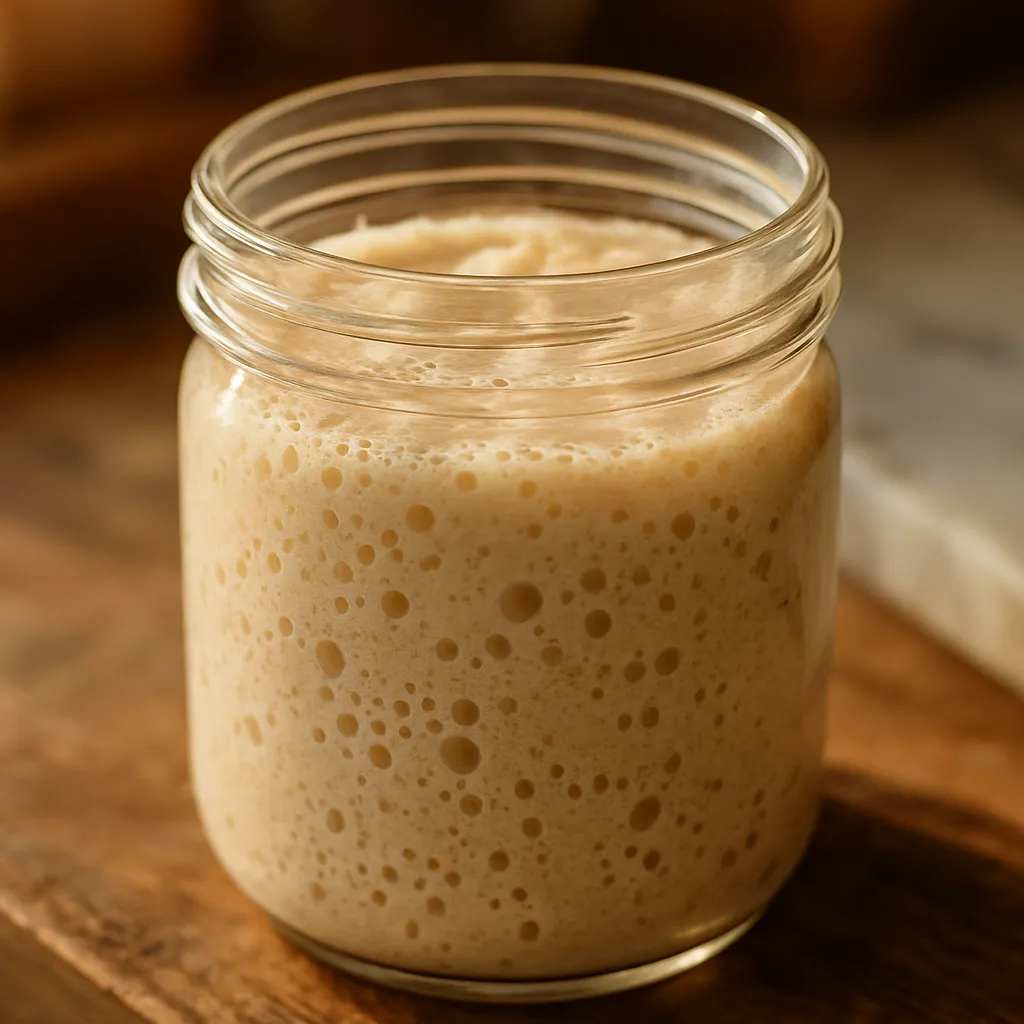
Is a starter really dead after weeks in the fridge?
Almost certainly not. Home bakers frequently assume the worst after stashing a jar in the back of the fridge. Forgetting it for weeks, sometimes even months. That assumption is usually wrong; dormancy is not death. A reactivate starter routine of regular feeding typically brings the yeast and bacteria back to full strength.
What should a healthy starter look and smell like?
Comparing a neglected jar against a known-good sample makes the assessment easier. Once reactivated, Bubba Goodcrumb's culture gives bakers a reliable baseline of smell and texture to judge against. Use the comparison below as a quick reference.
Trait | Healthy/Active | Neglected but Salvageable | Actually Dead |
|---|---|---|---|
Smell | Tangy, yeasty | Sharp, vinegary, or boozy | Rotten, foul |
Surface | Bubbly or slightly domed | Gray liquid layer | Fuzzy mold |
Color | Cream or tan | Darker tan or brown | Pink, orange, black, or green spots |
Passing this check means it's time to move toward the actual feeding steps that bring starter back to life and restore rise.
How Do You Discard and Feed Your Starter?
Discarding removes a portion of the old, hungry culture before feeding restores fresh flour and water in equal measure. This step keeps the crock from growing too large while giving the yeast and bacteria something new to eat. Skipping it leaves a starter sluggish, sour, and unpredictable for weeks.
A dependable schedule turns a wobbly starter into one that behaves the same way every single time. Bakers who want to revive sourdough starter cultures successfully follow a repeatable process rather than guessing at ratios. Consistency, not luck, produces a starter that rises predictably and tastes the same loaf after loaf.
What's the correct way to discard and feed?
Follow these steps in order:
Scoop out roughly half the starter and discard it, or set it aside for pancakes or crackers.
Add equal parts flour and water by weight to the remaining starter.
Stir until no dry flour remains visible.
Cover loosely and let the culture sit at room temperature.
Repeat every 12 to 24 hours until bubbling resumes.
Does the water type actually matter?
Yes, water chemistry matters more than most beginners expect. Chlorinated tap water, like the water found in Las Vegas, has been known to kill off fragile cultures entirely. Filtered, chlorine-free water should replace tap water at every feeding to protect the yeast and bacteria colonies.
A living culture responds to feeding by rebuilding activity rather than needing reintroduced organisms. That's the advantage of starting with a properly cultured base. When feedings follow this routine consistently, bubbling and rise return over several days of feeding. That timeline serves as a useful gauge: if no activity at all appears within a day or two of consistent feeding, the ratios or water source likely need adjusting.
How Long Until You See Signs of Life?
Bubbles and a faint sour aroma typically appear within the first few feedings after a baker starts to revive a sourdough starter. A well-fed, healthy culture, like a fully reactivated Classic Bubba Starter, bubbles and doubles reliably a few hours after each feeding, and that benchmark gives neglected starters something concrete to work toward during recovery. Patience matters here more than speed.
Early feedings rarely behave predictably. Rise times swing wildly from one day to the next while a starter finds its footing again. One feeding might rise in four hours and taste bright and tangy. The next might rise in only two hours with almost no flavor at all. Another might crawl along for sixteen hours, barely rise, and taste sharply, unpleasantly sour. None of that erratic behavior means failure. It's simply part of the process a baker follows to reactivate a starter after weeks or months of neglect.
Why does rise time keep changing during revival?
Inconsistent feeding schedules and residual stress on the yeast colony cause these fluctuations. A dependable, repeatable process is what eventually produces dependable rise times, so sticking to a consistent feeding ratio and schedule matters far more than reading too much into any single day's performance.
How will bakers know the starter is fully back?
Once active, a fully recovered culture should show the mild character and gentle tang the Classic Bubba Starter is known for, rather than harsh acidity or a apartment, lifeless texture.
General signs that a starter has managed to bring itself back to life include:
Doubling in size within a predictable window after feeding
A pleasant, mildly sour smell instead of a sharp, unpleasant odor
Consistent bubbling across the surface, not just around the edges
Rise times that stabilize across three to five consecutive feedings
Consistency across several feedings, not one lucky rise, confirms the culture is ready to bake again.
How Do You Build Strength With Repeated Feedings?
Strength builds through repetition, not through a single miracle feeding. Consistency separates a robust culture from a sluggish one. A starter fed on the same schedule, with the same ratios, develops predictable rise times and flavor. Skip that rhythm for weeks. The yeast and bacteria populations drift out of balance, leaving bakers to wonder why the dough refuses to climb.
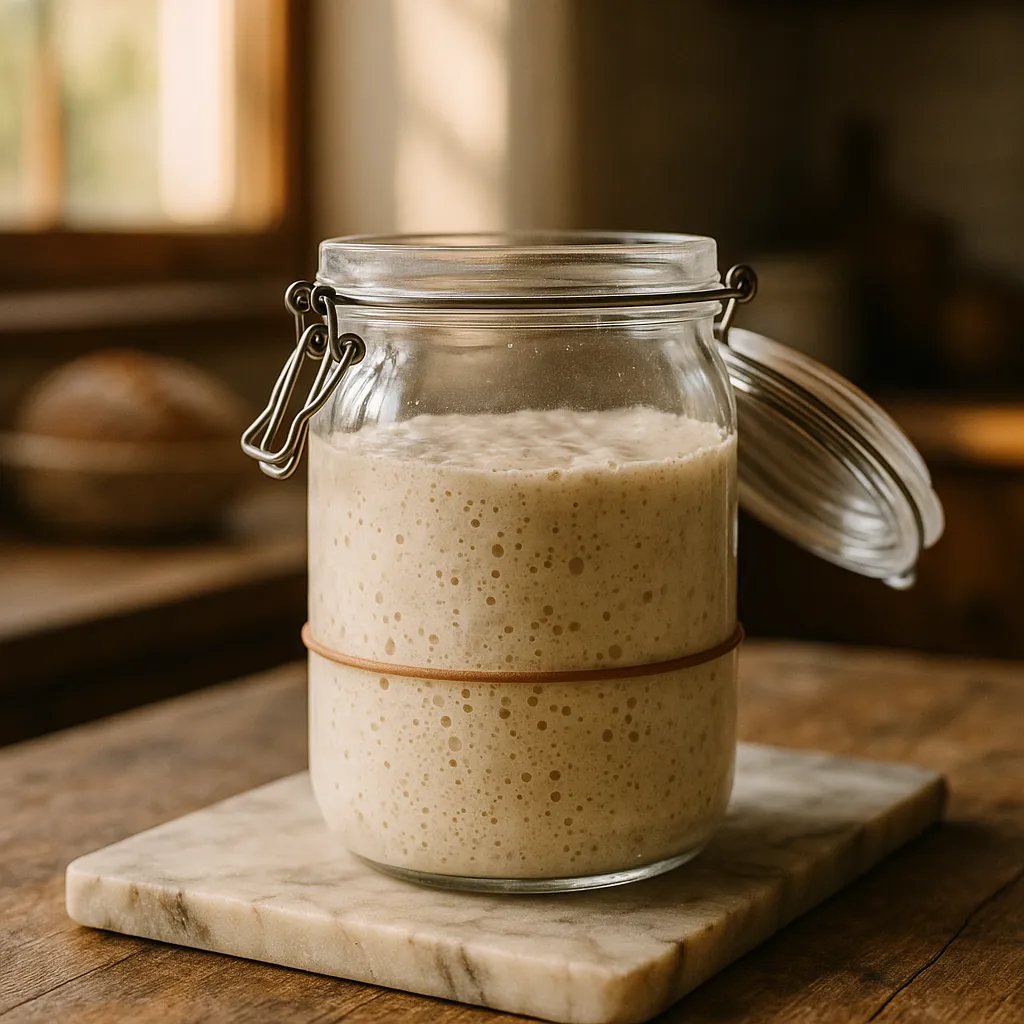
Home bakers working to revive sourdough starter health after a long fridge stay should treat the first several feedings as a rebuilding project, not a quick fix. Because a Bubba Goodcrumb culture is a real living culture once reactivated, every feeding cycle directly replenishes its yeast and bacteria rather than starting the population from zero. That matters most in these early days back.
A simple sequence to reactivate starter vigor looks like this:
Discard all but a small portion of the neglected starter.
Feed with fresh flour and water at a consistent ratio.
Let it sit at room temperature for a full cycle before feeding again.
Repeat the same feeding time and ratio for several consecutive days.
Watch for steadily faster, more reliable rises before baking with it.
How long does it take to bring a starter back to life?
Timelines vary by kitchen temperature and how long the starter sat dormant. Most home bakers notice steadier bubbling and rise within a handful of consistent feedings, with strength continuing to build each day the rhythm holds. Patience during this stretch pays off far more than any single "perfect" feeding.
What happens if feedings stay inconsistent?
Uneven feeding schedules keep a culture weak and unpredictable, and some bakers give up too soon. Becoming what one longtime sourdough hand calls sourdough dropouts. Bubba Goodcrumb's included care guide exists specifically to prevent that outcome, walking bakers through a steady schedule so strength returns instead of stalling out.
What Mistakes Slow Down Revival?
Four habits routinely stall a comeback: bad water, panic-discarding, worst-case assumptions, and sloppy feeding schedules. Each mistake compounds the others, turning a simple wake-up into weeks of frustration. Recognizing these missteps is the fastest way to revive a sourdough starter without wasting flour or losing confidence.
Tap water tops the list of quiet culprits. Chlorine and heavy mineral content strip away the wild yeast and bacteria a baker is trying to coax back to life, sometimes killing a struggling culture outright. Filtered or bottled water removes this risk entirely and costs almost nothing extra.
Should a black liquid layer mean the starter is dead?
No — that dark liquid, often called "hooch," is alcohol produced by a hungry culture, not proof of death. Tossing the whole jar over this sight is an unnecessary mistake. Simply pour off the liquid and feed as usual; the microbes underneath are typically still very much alive.
Can neglect alone actually kill a starter?
Rarely. A starter left unfed for weeks or even months in the refrigerator is difficult to truly kill through neglect. Assuming the worst after a long absence leads many home bakers to give up. Start over, when a few feedings would likely bring the starter back to life.
Inconsistent feeding schedules cause the erratic behavior that discourages bakers most. Common warning signs include:
Rise times swinging from 2 hours to 16 hours between feedings
Flavor jumping from mild one week to intensely sour the next
Little to no rise despite a seemingly active-looking jar
A steady rhythm smooths out these swings and makes reactivating a starter far more predictable. Skipping these missteps — bad water, panic, pessimism, and irregular feeding — clears the real path back to consistent, flavorful bread.
When Should You Start Baking Again?
Timing determines whether a comeback loaf rises or collapses. Bakers ready to revive a sourdough starter should wait for consistent, predictable activity, not just the first sign of bubbles. Rushing this step wastes flour and produces dense, overly sour bread instead of a proper loaf.
A starter coming back from the fridge needs to hit the same 24-hour activation window expected of a fresh culture after feeding. That benchmark works as a readiness test: doubling in size, bubbling steadily, and smelling pleasantly tangy rather than boozy or sharp. Use these steps to confirm the culture is ready:
Feed the starter and note the time.
Watch for doubling in volume within 24 hours.
Check the surface for a web of bubbles.
Smell the culture — expect a mild, yeasty tang, not nail-polish sharpness.
Drop a spoonful into water; floating signals baking can begin.
How long does it take to reactivate a starter?
Most cultures need several days of consistent feeding before rises become reliable again. Early attempts often rise slowly, then activity speeds up once yeast populations recover.
What if the starter won't come back at all?
Some cultures stall no matter how carefully they're fed. Ordering a fresh dehydrated culture solves the problem fast. Bubba Goodcrumb's starters ship nationwide, delivery only, and reactivate at home over several days of feeding.
Once a starter clears that 24-hour benchmark, it can bring the starter back to life for any skill level. The same flagship culture built for beginners works just as well for seasoned bakers. Sharing revival timelines, setbacks, and wins with other bakers keeps the process encouraging, echoing a brand built to feed a community of bakers everywhere.
FAQ
How long does it take to revive a dormant sourdough starter?
Consistent daily feedings of equal parts flour. Water produce bubbling activity within three to five days, with full reactivation of wild yeast and bacteria occurring within three to seven days.
About Bubba Goodcrumb
Sharing practical sourdough guidance from the Bubba Goodcrumb kitchen in Las Vegas.
More from Bubba
Related reading
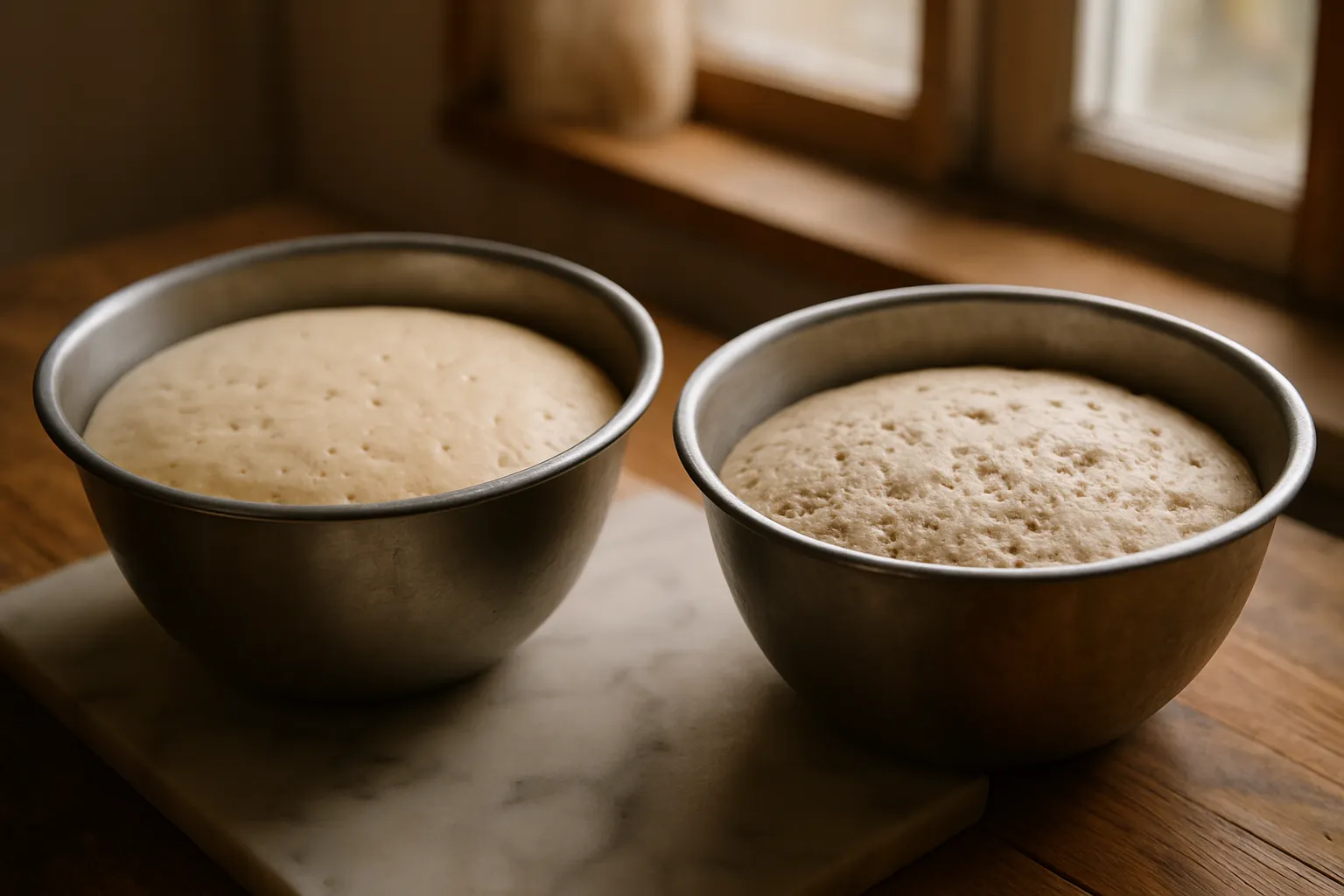
How to Convert Yeast to Sourdough
Replace commercial yeast with sourdough starter using Bubba Goodcrumb's simple conversion formula. Adjust hydration, extend rise times, and bake with wild.
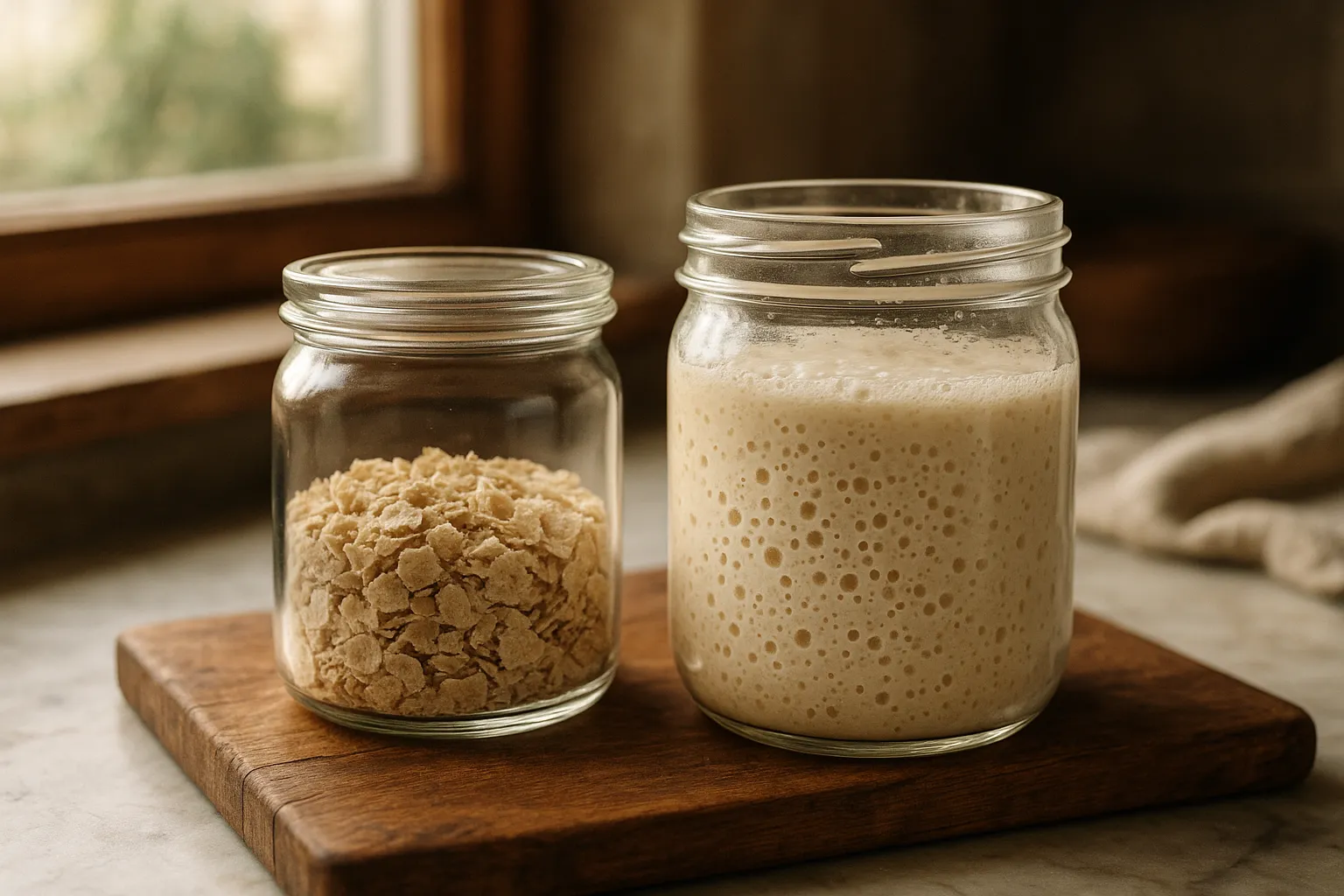
Revive Sourdough Starter: How to Revive a Dormant Sourdough Starter
Learn how to revive sourdough starter with consistent feeding. Bubba Goodcrumb explains how to bring a dormant culture back to life at home.
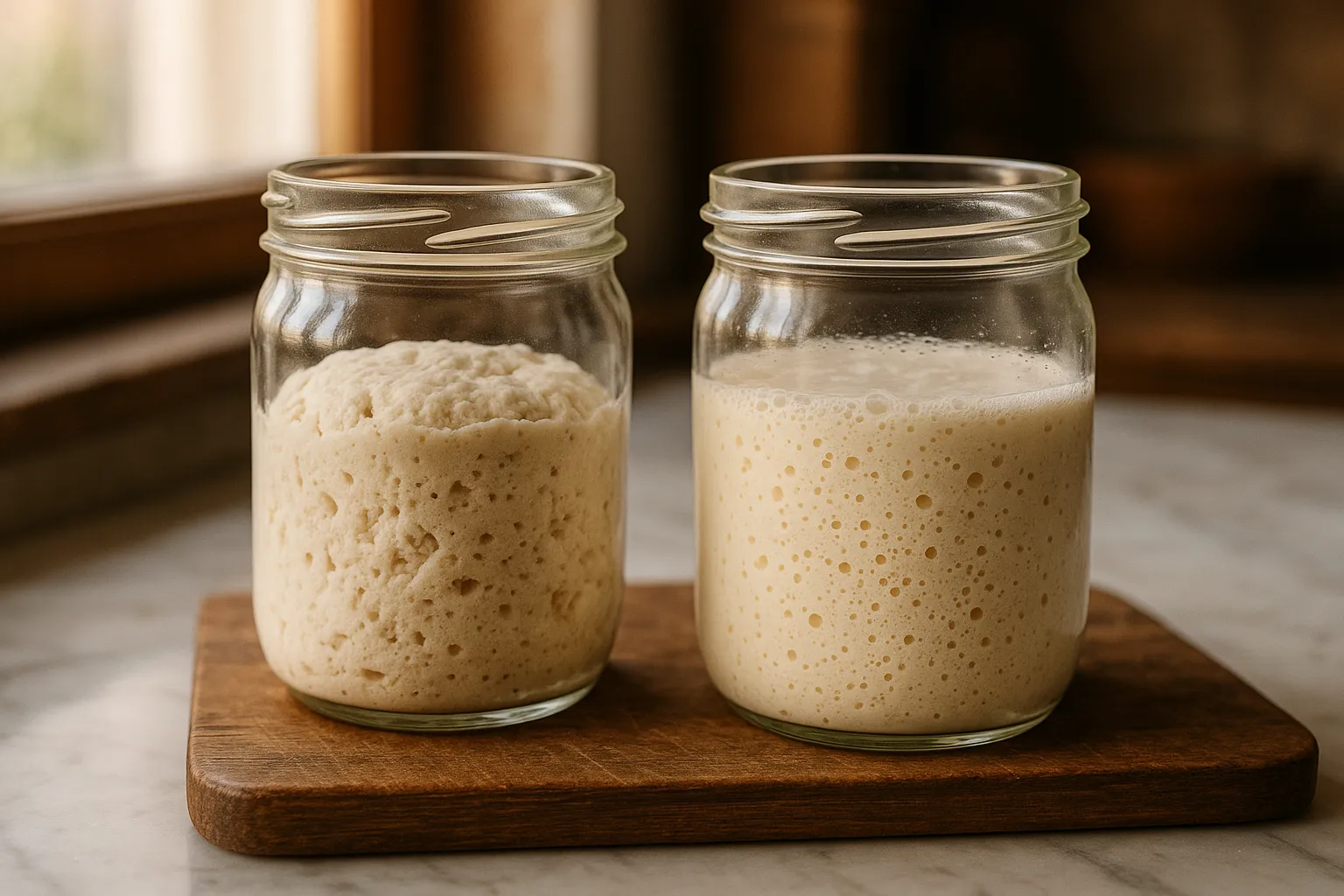
Starter Hydration Levels and Their Effects
Learn how sourdough starter hydration ratios affect fermentation speed and flavor. Bubba Goodcrumb explains the science behind water-to-flour balance for home.