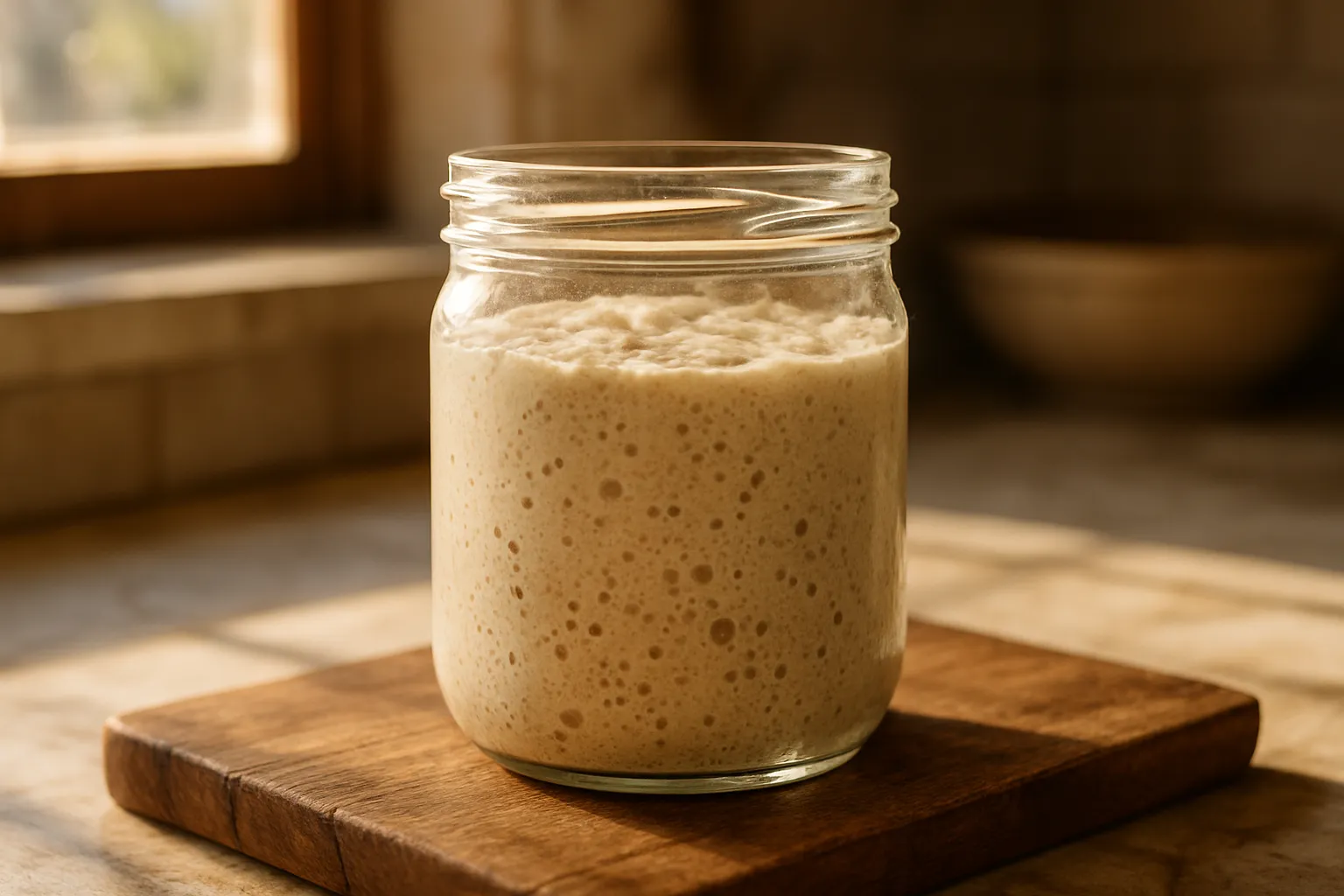
Sourdough Glossary: Essential Terms for Beginners
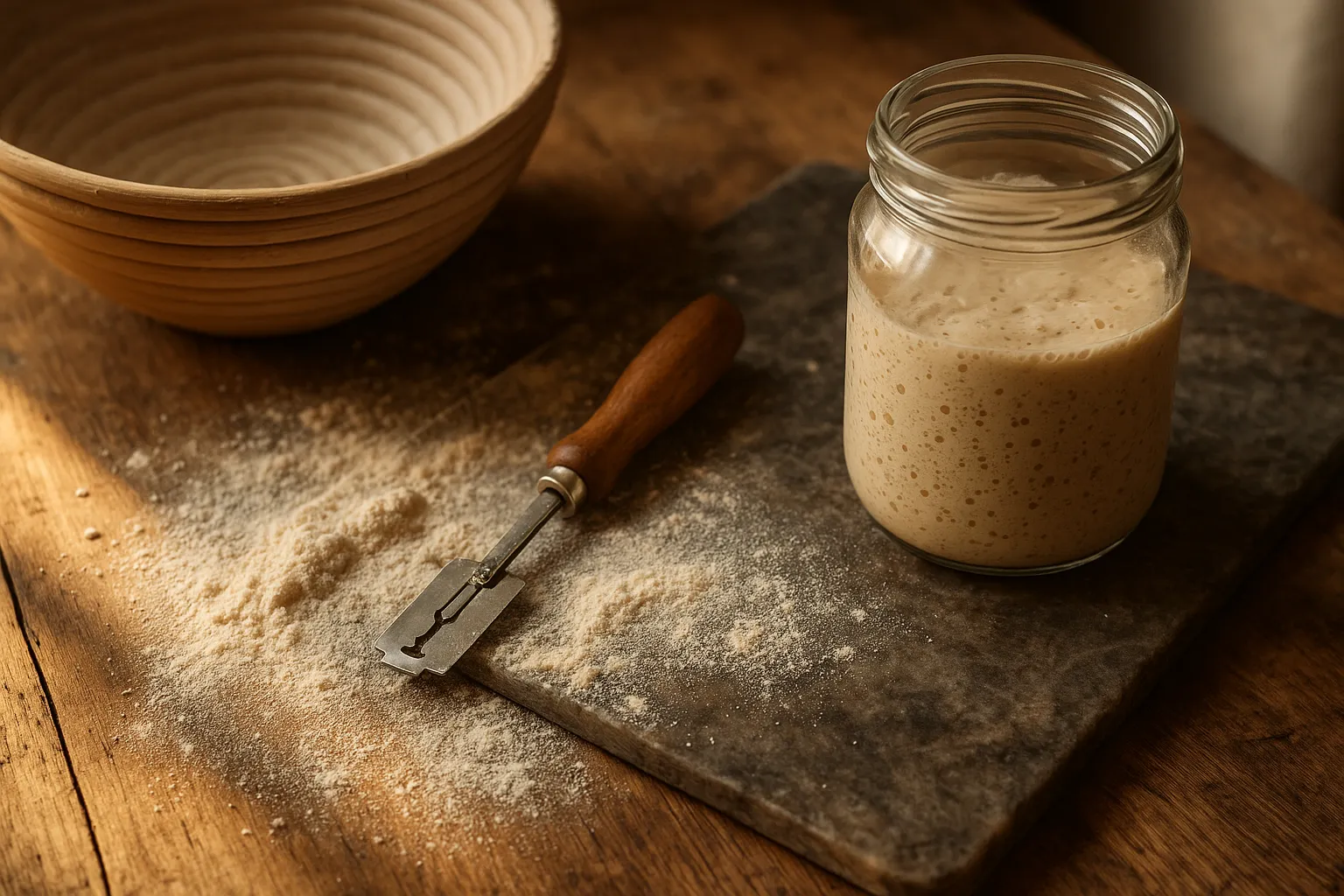
Sourdough vocabulary includes "starter" (a fermented flour-water culture), "levain," "hydration percentage," and "autolyse." Bubba Goodcrumb, based in Las Vegas, NV, defines these terms for beginners, explaining that a starter typically contains equal parts flour. Water by weight, essential for consistent fermentation and rise.
Terminology such as autolyse (a 15- to 30-minute rest after mixing flour and water), hydration. Oven spring forms the backbone of a comprehensive sourdough glossary that includes essential bread terms, compiled to help beginners confidently understand recipes and conversations among experienced bakers.
Sourdough terminology covers essential concepts like autolyse, oven spring, hydration, and S&F (stretch and fold), each describing a specific step in fermentation and dough development. Bubba Goodcrumb offers reliable starter cultures for practicing these terms hands-on, with guidance on feeding schedules, turning confusing jargon into practical kitchen skill.
Key Takeaways
Learning sourdough terminology removes intimidation and makes the baking process significantly more enjoyable for beginners.
A comprehensive sourdough glossary includes essential bread terms to aid beginners.
Understanding basic sourdough lingo prevents confusion when reading recipes or conversing with experienced bread bakers.
Bubba Goodcrumb provides resources to help beginners master sourdough terminology.
Sourdough Glossary Basics And Benefits
A sourdough glossary collects the specialized vocabulary bakers use to describe fermentation, dough handling, and baking results. Think of it as a cheat sheet for a craft with its own private dictionary. Bread that rises from wild yeast and bacteria comes with a whole vocabulary attached. That vocabulary rarely gets explained in plain terms.
Listening to two experienced bakers swap notes can feel like eavesdropping on a secret language. Terms fly around fast, and beginners often feel intimidated by the jargon-heavy way seasoned bakers discuss hydration, fermentation timing, or crumb structure. What sounds like technical showing-off is usually just shorthand, but shorthand is useless without a translation key.
Common Challenges With Sourdough Terminology
New bakers struggle because sourdough terminology assumes prior knowledge that most recipes never bother to spell out. A single sentence might reference autolyse, hydration percentage, and oven spring without pausing to define any of them. Without starter terms defined clearly, a beginner can follow every step of a recipe and still misunderstand why the dough behaves a certain way.
Glossaries And Hands-On Practice
A glossary works best when paired with actual practice, not just reading. Starter cultures, available online, give home bakers a way to test glossary terms in real time instead of memorizing them abstractly. Watching a starter bubble after a feeding makes concepts like fermentation and rise click faster than any definition alone.
A versatile starter is beneficial for both beginners and seasoned bakers in glossary learning. Terms make more sense once someone can watch them happen in a jar. A few glossary entries worth knowing early on:
Hydration — the ratio of water to flour by weight
Autolyse — a short rest period that jump-starts gluten development
Bakers percentage definition — expressing every ingredient as a percentage of total flour weight, the standard way professional formulas get written and compared
Starter Terms In Plain Language
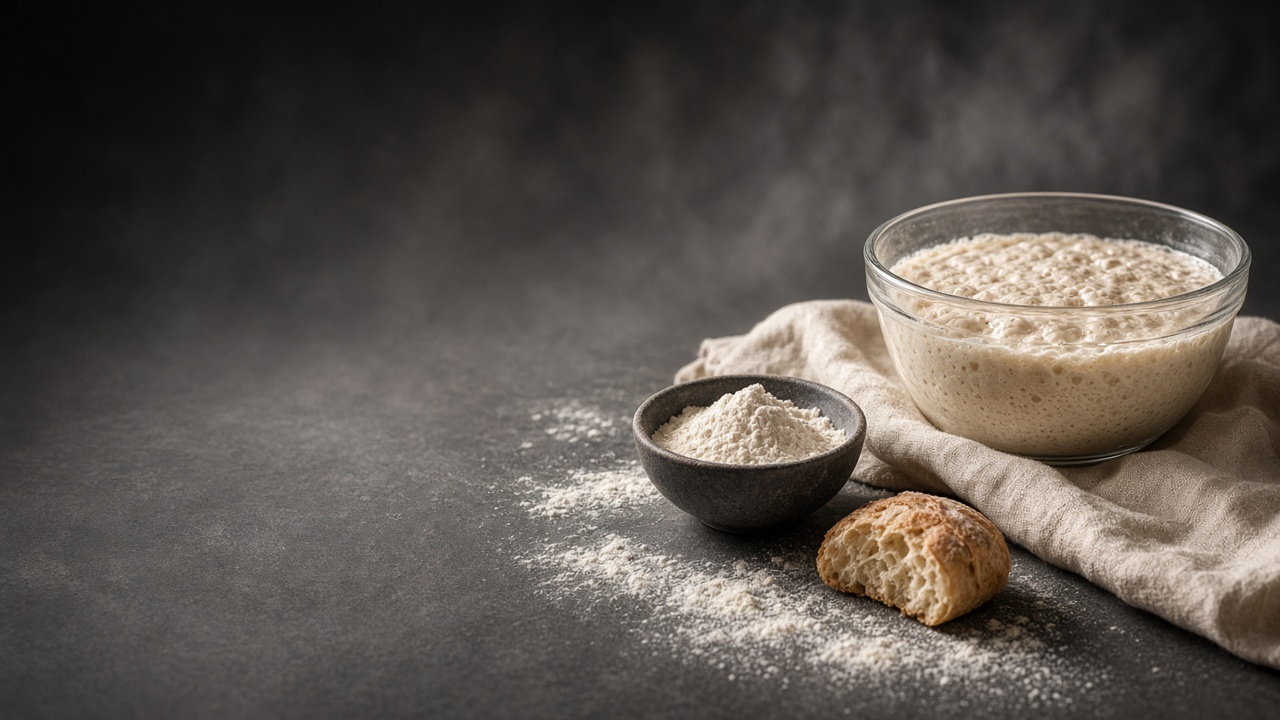
Sourdough vocabulary describes real, observable events happening inside a jar of flour and water. A sourdough glossary exists because fermentation involves specific biological actions; yeast producing gas, bacteria producing acid and each term names one of those actions precisely. Understanding starter terms defined in plain language turns a confusing recipe into a clear set of instructions.
Flour, water, and time combine to create something genuinely alive, packed with wild yeast and bacteria working together. That partnership produces the bubbles, rise, and aroma bakers watch for daily. Acetic acid, one byproduct of bacterial activity, delivers the sharp tang associated with a mature sourdough loaf. Without that acid, bread would taste apartment and yeasty instead of complex.
Sources Of Sourdough Terminology Complexity
Terminology sounds dense because bakers borrow language from chemistry and baking science at the same time. A properly fed starter is typically ready to bake with after a suitable period. "ready" only makes sense once feeding ratios and timing are understood. Breaking terms into small definitions removes the mystery fast.
The Meaning Of Bakers' Percentage
Bakers percentage definition refers to a formula system where flour equals 100% and every other ingredient is measured as a percentage of that flour weight. This method lets bakers scale recipes up or down without recalculating every measurement by hand. It also makes hydration comparisons between recipes simple and consistent.
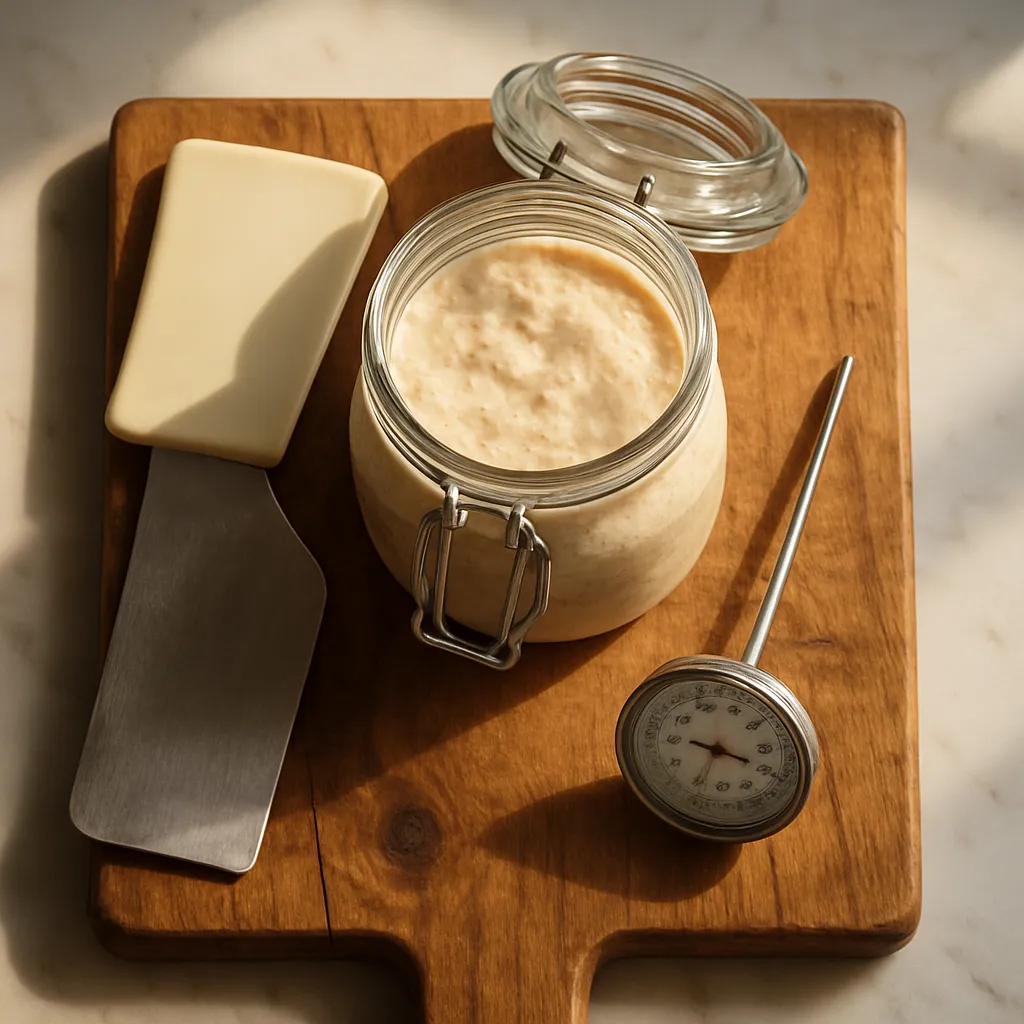
Common starter-related terms worth knowing:
Term | Plain-Language Meaning |
|---|---|
Feeding | Adding fresh flour and water to nourish the culture |
Discard | Portion removed before feeding to control size |
Float test | Checking if starter floats in water to gauge readiness |
Peak activity | The point of maximum rise before collapse |
Water quality shapes every one of these outcomes. Chlorine and heavy mineral content weaken or kill fermentation activity, slowing rise times and dulling flavor. A care guide can help bakers understand feeding schedules and water recommendations, helping them avoid that pitfall entirely.
The Bakers Percentage Definition
Flour anchors every calculation in bread formulas at exactly 100%. The bakers percentage definition treats all other ingredients; water, salt, starter as a percentage of that flour weight, rather than a percentage of total dough. This system lets bakers compare recipes of any size, from a single loaf to a dozen, without recalculating ratios from scratch.
Home bakers new to a sourdough glossary often stumble here first, since standard cooking measures percentages differently. In a kitchen recipe, percentages usually describe a share of the whole dish. In sourdough math, flour alone sets the baseline, and everything else scales against it.
Hydration Percentage In A Sourdough Recipe
Hydration percentage represents water weight compared to flour weight, expressed using the same baker's math. A formula listed at 80% hydration means the water weighs 80% of what the flour weighs. Higher hydration numbers generally produce a wetter dough and an open, holey crumb structure. Lower numbers yield a tighter, easier-to-handle dough.
Beginner Benefits Of Bakers Percentage
Bakers percentage turns guesswork into repeatable numbers. Once a formula's ratios click, adjusting for a bigger batch becomes simple arithmetic instead of a rewritten recipe.
Among starter terms defined for new bakers, feeding ratios follow this same logic, starter, flour, and water compared proportionally. A care guide can help translate these ratios into everyday kitchen measurements. The math never has to happen at the counter. That translation from percentage to cup or gram amount often marks the moment a nervous first-time baker starts feeling like a real bread head.
Autolyse And Hydration Explained
Autolyse describes a short rest — roughly 15 to 30 minutes. Taken right after flour and water get mixed together, before salt or yeast join the dough. During that pause, gluten strands begin forming on their own, and less kneading gets required later. Bakers new to the craft often stumble over this word first. Nothing seems to be happening on the counter while the magic works underneath.
That quiet resting period matters because of enzymes already present in the flour. Amylase, an enzyme that breaks starches down into simple sugars, gets busy during autolyse and beyond, feeding the fermentation that eventually makes a loaf rise. Without that sugar supply, wild yeast and bacteria in a starter would have far less to eat.
Common Confusion Around Autolyse And Hydration
Recipe writers toss around starter terms defined in shorthand, assuming readers already know the vocabulary. One home baker described feeling lost with autolyse. Hydration alike, admitting she had no real idea what either word meant when she started out. That confusion fades quickly once the mechanics get spelled out plainly.
Hydration's Relationship To Autolyse
Hydration measures the ratio of water to flour in a dough, and it directly affects how autolyse behaves. Wetter dough hydrates flour proteins faster, speeding gluten formation during the rest. Drier dough needs a longer autolyse to reach the same stretch and elasticity.
Term | What It Does |
|---|---|
Autolyse | Rests flour and water, starts gluten development |
Amylase | Converts starch to sugar for fermentation |
Hydration | Sets the water-to-flour ratio guiding dough feel |
A care guide can help walk bakers through these rest periods step by step, turning abstract definitions into practical kitchen habits.
The Source Of Sourdough's Tangy Rise
Acetic acid produced by bacteria inside a sourdough starter creates that sharp, tangy bite home bakers love. Rise, meanwhile, depends on wild yeast releasing carbon dioxide gas as it feeds on flour sugars. Both processes happen at once, inside the same jar, driven by the same living culture.
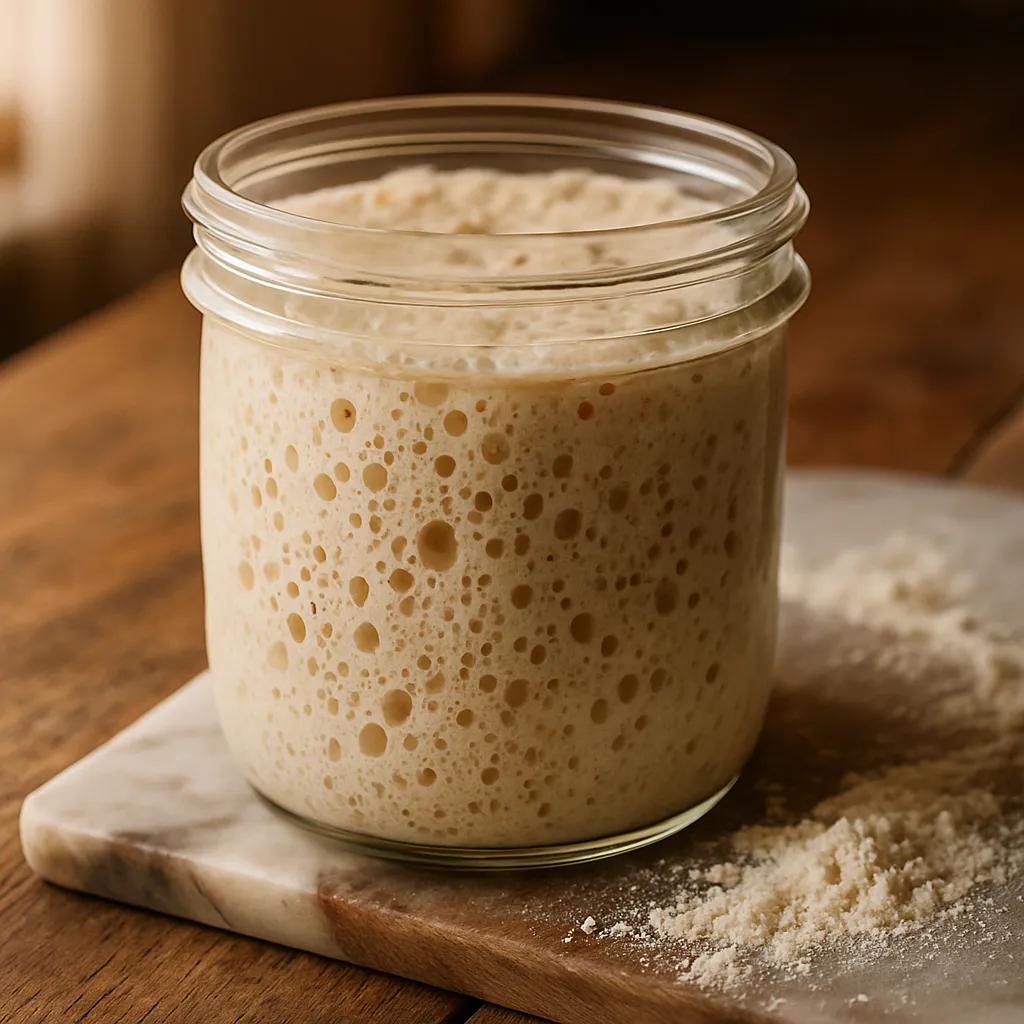
Fermentation itself is a slow, quiet transformation. Flour, water, and time combine to form something alive and constantly changing, shifting flavor and texture the longer it develops. Bacteria and yeast work as partners here, not competitors: yeast builds gas bubbles for elevator. Bacteria produce organic acids that shape flavor.
Starter maturity changes the flavor outcome significantly:
A mild starter produces a gentler, less sour loaf, since acetic acid hasn't built up as heavily.
A mature, well-established culture produces a stronger, more pronounced tang after repeated feedings and longer fermentation cycles.
Warmer kitchens tend to speed bacterial activity, often intensifying sourness faster than cooler environments.
Oven Spring And Its Common Problems
Oven spring refers to the dramatic rise a loaf gets during the first several minutes in a hot oven. Weak or underdeveloped dough structure blocks that rise, trapping gas instead of letting it elevator the crumb. Proper gluten development, achieved through adequate mixing and fermentation time, gives the dough enough strength to hold and expand around trapped carbon dioxide.
Sourness Does Not Guarantee A Better Loaf
Not necessarily. A sharper tang simply reflects a different balance of acetic acid production, not superior quality. Bakers who prefer milder flavor often maintain younger, more frequently fed starters. Those chasing bold sourness let their culture mature longer between feedings. Flavor preference, in the end, comes down to personal taste rather than any fixed standard of what sourdough should taste like.
Banneton And Batard Definitions
A banneton is a French-style basket that holds and shapes a rising loaf before baking. A batard describes an oval-shaped loaf, distinct from a round boule or a slender baguette. Both terms show up constantly in this sourdough glossary, and confusing them trips up plenty of new bakers.
Think of the banneton as a temporary home for dough during its final rise, called proofing. Lined with flour or a cloth liner, the basket cradles the loaf and gives it structure while the crust hasn't formed yet. Without that support, a wet, slack dough spreads instead of holding its shape.
The Transfer From Banneton To Oven
Once the loaf finishes its rise inside the banneton, a baker turns it out onto a pan or a hot baking stone. This transfer moment matters: the dough carries the basket's shape into the oven, which is why round bannetons produce boules and oval ones produce batards.
Batard Describes A Loaf Shape
A batard refers only to the finished loaf's shape, not a container. Bakers use an oval banneton to help dough hold that batard form during proofing.
Among these starter terms defined, shaping vocabulary tends to trip up beginners most. A well-established starter, one lively enough to handle a versatile everyday recipe, gives bakers the confidence to experiment beyond basic round loaves. Many home bakers move from boules into batards and baguettes once fermentation feels predictable rather than mysterious. Early guidance on shaping and proofing, often included alongside a starter's care instructions, helps smooth that transition long before advanced tools like specialty bannetons enter the picture.
Scoring And Crumb Terms
Scoring means slashing the surface of a loaf before baking, guiding how the dough expands in the oven. Crumb describes something different: the internal texture once the bread is baked and cut open. Bakers often prize a crumb structure with big, open holes, a sign of good fermentation and gas retention. Scoring and crumb terms overlap constantly in troubleshooting conversations, so knowing both helps home bakers diagnose problems fast.
Causes Of Slack Dough Before Shaping
Slack, underdeveloped dough describes a common trouble spot bakers run into before the final shape. The dough spreads rather than holding its form, which signals weak gluten structure. This texture usually shows up when fermentation ran too long or the flour wasn't developed enough during mixing and folding. Recognizing slackness early lets a baker adjust technique before the loaf ever reaches the oven.
A starter's condition plays a direct role in both scoring success and final crumb. Because a well-maintained culture becomes ready to bake after a suitable feeding period, timing the bake around peak activity gives dough the strength needed to hold a clean score. Weak or sluggish starters, by contrast, often produce the slack dough described above.
Flavor and texture connect closely, too. A mild, gentle-tang starter tends to produce a softer aroma, while a mature starter can give bread a deeper edge.
Formula Percentage And Flour Choices
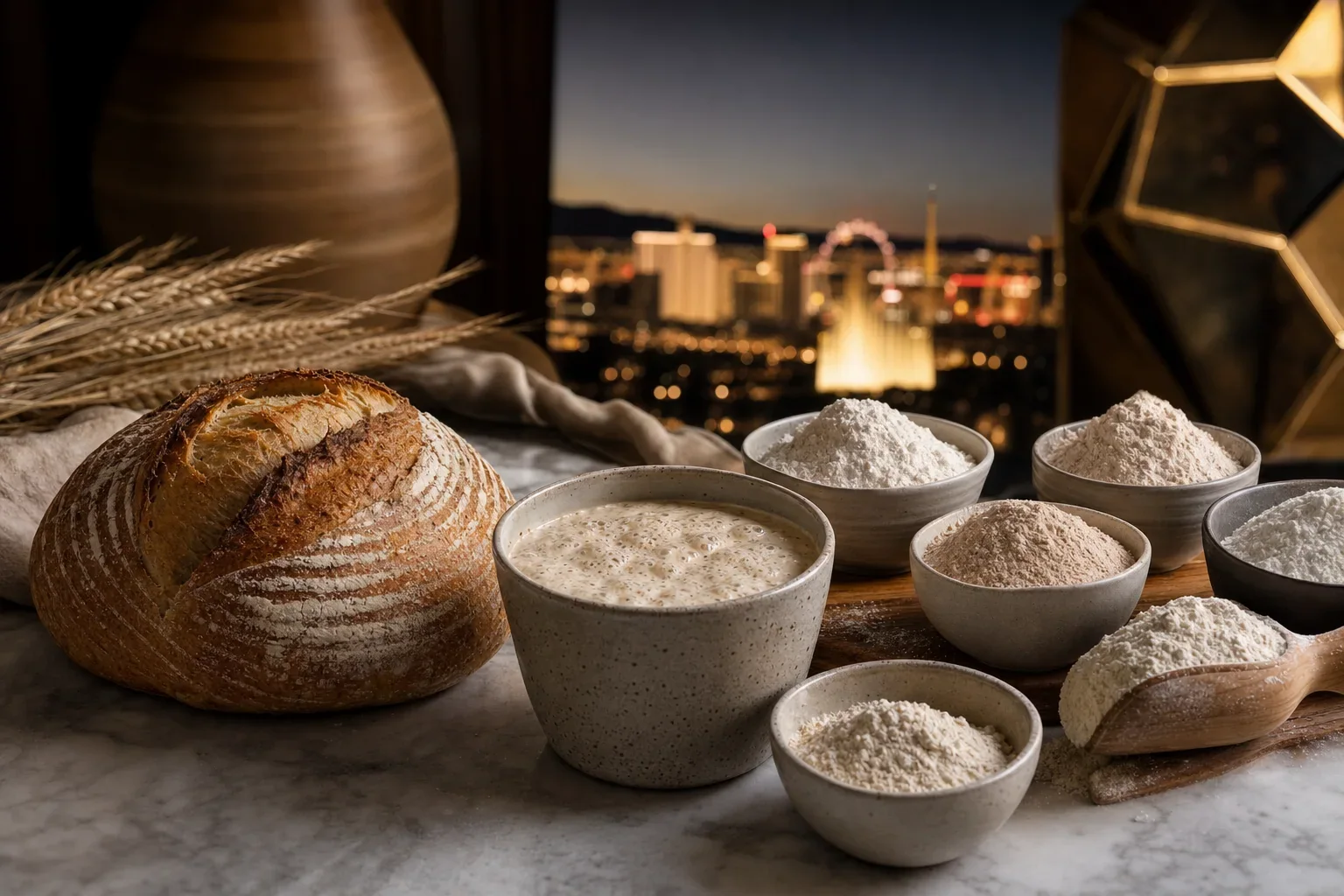
The formula percentage is the baker's map for a dough. In a formula percentage, flour is always set at 100%, while water, salt, and starter are shown as percentages beside it. Several formula percentage values can describe one bread recipe without changing the recipe's meaning. Reading percentages this way makes scaling clearer and helps a baker compare doughs fairly.
For example, a formula percentage might show 100% bread flour, 20% whole wheat flour, 75% water, 2% salt, and 20% starter. The formula percentage does not mean that the dough contains five equal portions. It means each ingredient is measured against the total flour. These percentages remain useful whether the baker makes one bread loaf or several.
Choosing bread flour usually gives dough more protein and strength. Whole wheat flour brings more flavor and absorbs water differently. A blend of bread flour and whole wheat flour can make a balanced bread with a sturdy shape and a fuller taste. The right percentages depend on the flour, the room, and the result the baker wants.
When scaling, keep the formula percentage unchanged. Scaling from 500 grams of flour to 1,000 grams doubles every ingredient. Scaling down works the same way. A formula percentage prevents guesswork because the percentages preserve the relationship between flour, water, salt, and starter.
Some bakers use a levain instead of adding mature starter directly. A levain is a portion of sourdough starter prepared for a particular bread. The levain may use bread flour, whole wheat flour, or both. Its formula percentage tells the baker how much flour and water it contributes to the final dough.
Fermentation, Leaven, And Dough Development
A sourdough starter is both a culture and a practical leaven. The word leaven describes anything that helps dough rise. In sourdough, the leaven is the active starter or levain. A healthy starter produces gas, while gluten holds that gas inside the dough.
The bulk ferment is the main rise after mixing. During the bulk ferment, the starter feeds on flour and creates bubbles. A long bulk ferment may build flavor but weaken structure if it runs too far. A short bulk ferment can leave the bread dense. The dough, not the clock alone, shows how the bulk ferment is progressing.
Stretch and fold supports gluten without requiring a hard knead. A gentle knead can also develop the dough, especially when bread flour gives the dough enough strength to resist tearing. Whole wheat flour may make dough feel heavier because bran interrupts some gluten connections.
Watch the starter before judging the dough. A starter that has risen, smells pleasantly tangy, and shows bubbles is often more useful than a starter that merely passes a float test. If dark liquid called hooch appears, stir it in or pour it off according to the care method being used, then feed the starter. Hooch is a sign that the starter has used much of its available food, not a special type of leaven.
Tools, Shapes, And Regional Terms
A lame is a small blade used to score bread dough. A clean lame cut gives expanding dough a planned path in the oven. Bakers may also use a sharp knife, but a lame offers control. The score should be decisive rather than timid.
A brotform is a basket used to support shaped dough during proofing. A couche is a cloth that supports baguettes or other dough pieces while they rest. A brotform and a couche both support dough, but they serve different shapes. Neither tool replaces an active sourdough starter.
Ciabatta is an Italian bread known for its open crumb and loose dough. Italian formulas often require careful handling when hydration is high. A biga is a firm Italian preferment, while a sourdough starter is a living culture maintained through repeated feedings. A biga can add flavor and structure, but it is not the same as a starter.
Spanish baking terms may appear in recipes influenced by Spanish bread traditions. English baking terms appear in many beginner recipes, while English usage can vary by region. A bread guide may use English descriptions for shaping, English descriptions for proofing, and English descriptions for the finished crumb. Reading the surrounding instructions helps clarify each English term.
English bakers may describe the bread plainly. English recipes may use familiar measurements. English teaching often explains the starter before the dough. English notes may call the final rise proofing. English instructions may call the blade a lame. English writers may discuss gluten, hydration, and percentages in one paragraph. English readers can still find unfamiliar terms.
In English, starter can mean the culture in the jar. In English, levain can mean a prepared portion of that culture. In English, leaven can describe the rising agent. In English, bulk ferment names the first rise. In English, score means to cut the dough. In English, knead means to work the dough. In English, bread flour usually means a stronger flour.
English recipes may list whole wheat flour beside bread flour. English formulas may show percentages rather than cups. English bakers may compare a boule with a batard. English bakers may shape dough in a brotform. English bakers may rest dough on a couche. English bakers may bake ciabatta. English bakers may also use Italian, Spanish, or French terms without translating them.
That mixture does not make English sourdough difficult. English explanations become easier when each term connects to an observable action. English readers can watch a starter rise. English readers can feel gluten strengthen. English readers can see a score open. English readers can track a percentage. English readers can adjust scaling. English readers can learn the vocabulary through one bread at a time.
Different traditions use different words, yet the dough still responds to flour, water, time, and heat. English is only one naming system. Italian terms such as biga and ciabatta, Spanish terms, and French terms such as couche all describe useful parts of the baker's world. The best glossary gives each word a clear job.
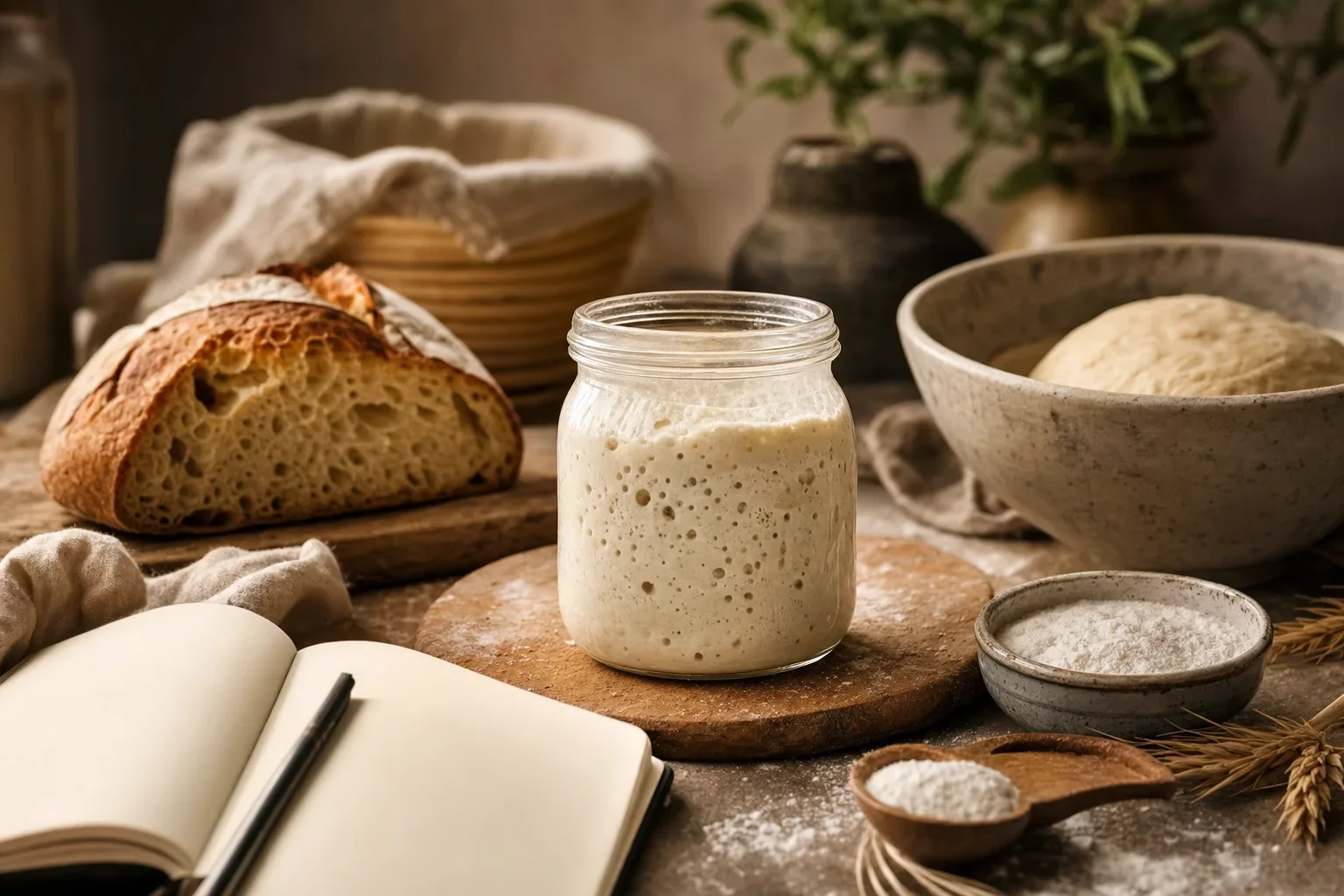
When reading a bread recipe, begin with the flour and then follow each formula percentage. The formula percentage shows how bread flour and whole wheat flour share the dough. A second formula percentage explains the water, while another formula percentage explains salt. These percentages help compare one bread with another, and the percentages stay consistent during scaling.
For a sourdough bake, the sourdough starter may be refreshed before mixing. The sourdough starter should show active bubbles, while the starter aroma should remain pleasantly tangy. A levain is simply a prepared portion of sourdough starter. The starter contributes flour and water, so those ingredients belong in the percentages and in the formula percentage.
During the bulk ferment, watch the dough rather than relying only on the clock. A starter with strong activity can move the bulk ferment faster. A slower starter may need more time. Gluten development comes from mixing, folding, or a gentle knead. Strong bread flour can support a taller bread, while whole wheat flour can add flavor and a heavier feel.
After shaping, a brotform or couche supports the dough. Use a lame to score the bread before baking. The score gives the bread room to expand. Ciabatta may need different handling because its dough is loose. Italian, Spanish, and English recipes may describe these steps with different words, but each percentage still serves the same purpose.
Keep notes after each bake. Record the formula percentage, percentages, flour, starter, sourdough starter, bulk ferment, gluten development, and final bread texture. Comparing percentages makes scaling easier. Comparing the starter at each feeding helps explain why one bread rises quickly and another rises slowly.
The most useful English terms become familiar through repetition. English recipes may mention starter, bread flour, whole wheat flour, leaven, or sourdough starter several times. English instructions may describe a score, a knead, or a bulk ferment. English bakers may discuss percentages and formula percentage values. English readers can use those clues to understand the bread in front of them.
A formula percentage is not a rigid promise about the finished bread. It is a clear way to describe relationships. The percentages can change when the baker wants a wetter dough. The percentages can change when the baker adds whole wheat flour. The percentages can change when the baker adjusts the starter. Each formula percentage still gives the baker a reliable map.
Feed the starter, observe the sourdough starter, and let the starter guide the timing. If hooch appears, the starter needs attention before the next bread. If gluten feels weak, adjust mixing or fermentation. If the score opens unevenly, review shaping and the lame cut. Small observations make sourdough practice more useful than memorizing terms alone.
One bread can teach hydration, percentages, formula percentage, scaling, bread flour, whole wheat flour, sourdough starter, starter, leaven, gluten, score, knead, bulk ferment, and proofing at once. That is why a living sourdough culture remains such a helpful teacher. The vocabulary becomes practical when the dough answers back.
A Practical Way To Read Any Sourdough Recipe
Find the flour total and identify whether it uses bread flour, whole wheat flour, or a blend.
Read the formula percentage and compare the percentages for water, salt, and starter.
Check whether the recipe uses a sourdough starter, a levain, a biga, or another leaven.
Notice the bulk ferment, the proof, and the expected dough feel.
Develop gluten with folds or a brief knead, then shape the bread.
Use a lame to score the dough before baking.
Keep a short record after each bake. Note the flour, percentages, room temperature, starter activity, bulk ferment, and final crumb. That record turns a glossary into practical knowledge. The next formula percentage will feel less abstract, and the next bread will be easier to judge.
A sourdough starter rewards attention more than perfection. Feed the starter consistently, learn how the starter behaves, and let the starter guide your timing. Whether the goal is an English loaf, an Italian ciabatta, or a simple everyday bread, the same patient habits build confidence.
Good bread begins when unfamiliar words become familiar actions.
About Bubba Goodcrumb
Sharing practical sourdough guidance from the Bubba Goodcrumb kitchen in Las Vegas.
More from Bubba