Sourdough Starter FAQ: Your Questions Answered
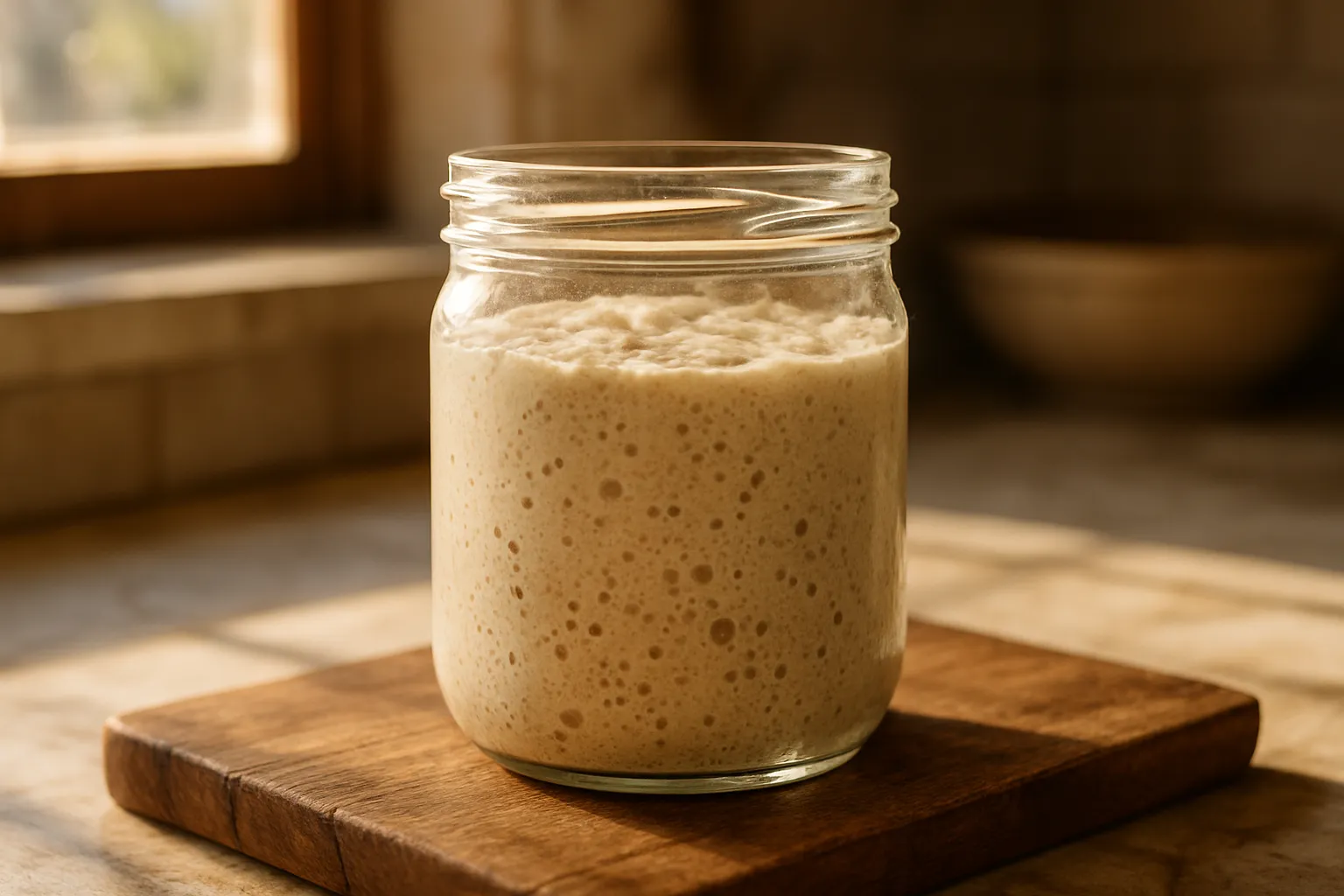
This sourdough starter faq gives clear answers for home bakers. Bubba Goodcrumb offers a simple starter experience. Common questions cover feeding, storage, activation, and slow rises. This guide also explains what happens when a culture arrives dry and dormant. Bubba Goodcrumb's Classic Bubba Starter ships nationwide in dehydrated form. It rehydrates after several days of feeding and includes a detailed care guide.
Conversation starters can help a baking group feel welcome. Light questions move new bakers past small talk. Practical questions can lead to useful talks about feeding and fermentation. A list of conversation starters gives each group more options. In the same way, this sourdough starter faq supports bakers at every skill level.
Key Takeaways
- A starter is a living culture of wild yeast and bacteria.
- Dehydrated starter rehydrates after several days of feeding.
- Temperature, flour, and feeding time affect fermentation and rise.
- A care guide helps bakers respond when activity slows.
- This sourdough starter faq covers the core habits that keep a culture active.
Sourdough Starter Basics
A sourdough starter is a live culture of wild yeast and bacteria. It is not a packet of commercial yeast. This difference helps create the tang and open crumb found in sourdough bread. It also forms the basis of any solid sourdough starter FAQ.
Fermentation starts when flour and water feed the wild yeast and bacteria. The culture then creates acids, aroma, and carbon dioxide. The gas helps dough rise. Fermentation also builds flavor in the loaf.
Starter's Role in Dough
A starter ferments flour and water in dough. It creates carbon dioxide, which helps the bread rise. This process also creates the acids behind sourdough's tang. The culture drives both the rise and the flavor.
What Is a Levain?
A levain is a portion of mature starter prepared for baking. A baker feeds it with flour and water. The mixture then ferments and gains strength. Bubbles appear as the levain becomes active.
Many recipes use levain as another word for preferment. In practice, it is an active portion of the main culture. You can build one in a clean mason jar. Mark the starting level on the jar. This mark makes its rise easier to see.
Flour choice changes how a levain behaves. All purpose flour can create a mild, flexible dough. Whole wheat flour can add a fuller aroma. A little rye flour can add minerals and encourage a lively start.
Cover the levain, but do not seal it tightly. It may be ready when it has risen and smells pleasantly tangy. Bubbles should appear throughout the mixture. It does not need to pass every visual test. Consistent fermentation makes baking easier to time.
A few basics set a starter apart from other leaveners:
- Living organisms: wild yeast and lactic acid bacteria work together.
- Requires feeding: flour and water sustain the culture.
- Flavor variation: care, temperature, and flour shape the result.
Every jar from Bubba Goodcrumb is made for home kitchens. That matters when bakers want reliable answers about starter care. A well-made culture behaves more predictably with regular care.

Activating a New Starter
Reactivating the Classic Bubba Starter is simple. It ships dehydrated, so bakers rehydrate it over several days. Each feeding helps wake the culture. The starter becomes bubbly and ready for baking over time. Dry shipping helps keep it shelf-stable during transit. This sourdough starter faq explains what to expect during that process.
The first levain from a rehydrated starter may need more time. Later feedings often show a clearer rise. Fermentation becomes steadier as the culture grows active. A levain built after several feedings can support dough with good structure.
New bakers do not need to guess at ratios or timing. Each order includes a detailed care guide. It explains early feedings, fermentation, and expected activity.
First 24 Hours
Look for gradual signs of life, not instant fireworks. Small bubbles and a slight rise show progress. A mild, tangy aroma also signals that the culture is waking. These signs give bakers useful points to compare.
Handling a Sluggish Starter
A slow response often points to temperature or feeding time. It does not always mean the culture has failed. Gently stir the mixture before feeding. This spreads the flour and water evenly. Then stir again after adding fresh flour and water.
A baker can build a smaller levain while the main jar recovers. Feed it at a steady ratio. Place it somewhere comfortably warm. If it rises slowly, allow more time instead of forcing the schedule.
Flour Choices and Fermentation
All purpose flour is a practical choice for daily feeding. It creates a steady baseline for new bakers. Changes in temperature or timing become easier to spot. Using all purpose flour can also simplify the routine.
Whole wheat flour adds flavor and may speed visible fermentation. A feeding with whole wheat flour can produce more bubbles. The result still depends on the culture and room temperature. This sourdough starter faq keeps that variation in view.
Rye flour may also encourage activity. It contains nutrients that support fermentation. A little rye flour may help a sluggish culture. No flour can guarantee one fixed rise time.
Flour choice affects a levain's smell, texture, and peak. Watch the levain instead of relying only on the clock. An active levain may expand and form a slight dome. It may then begin to level.
Understanding Hooch and Sourdough Discard
Hooch is liquid that can collect on a neglected starter. A little hooch often means the culture needs food. Its color and smell still matter. If hooch looks unusual or smells unpleasant, use caution.
For ordinary hooch, pour it off or stir it in. Choose the method that suits your preferred flavor. Then refresh the starter. More hooch may appear when feedings are far apart. Regular feeding can reduce hooch and steady fermentation. This sourdough starter faq treats feeding as the first practical check.
Sourdough discard is the portion removed before feeding. Saving sourdough discard can reduce waste. Another portion of sourdough discard can add flavor to pancakes, crackers, or quick breads. Discard usually gives less lift than an active levain.
Prepare a levain for baking separately from discard. The levain is built for strength and timing. Discard is often used for flavor. Both come from the same living culture, but they serve different roles.
Using Starter in Other Bakes
Active starter can flavor more than a loaf. Sourdough waffles offer a useful way to use extra starter. Overnight fermentation can add flavor to the batter. The culture also works in pancakes, muffins, and flatbreads. This sourdough starter faq includes these options because discard can serve more than one purpose.
When making a waffle levain, use a modest portion of mature starter. Give it enough time to ferment. It does not need the same peak as a levain for a tall loaf. The goal is balanced flavor and an evenly cooked batter.
Testing Starter Readiness
The float test can give a quick readiness clue. Drop a small spoonful of active starter into water. If it floats, the culture may hold enough gas for baking. A second float test at another stage can show how timing changes the result.
The float test does not guarantee success. A dense levain may still bake well. A floating levain may have passed its strongest point. Use the test with visible rise, bubbles, aroma, and recipe timing. Those signs are central to this sourdough starter faq.
For easier navigation, a recipe page may include a “skip to content” link before the instructions. This feature helps readers reach feeding and fermentation details faster.
Bubba Goodcrumb's Starter Origin
Bubba Goodcrumb is based in Las Vegas, Nevada. Its dehydrated starter ships nationwide to home bakers. They can reactivate the living culture in their own kitchens. The included care guide explains how to move from dormancy to an active levain. This sourdough starter faq follows that same path from delivery to baking.
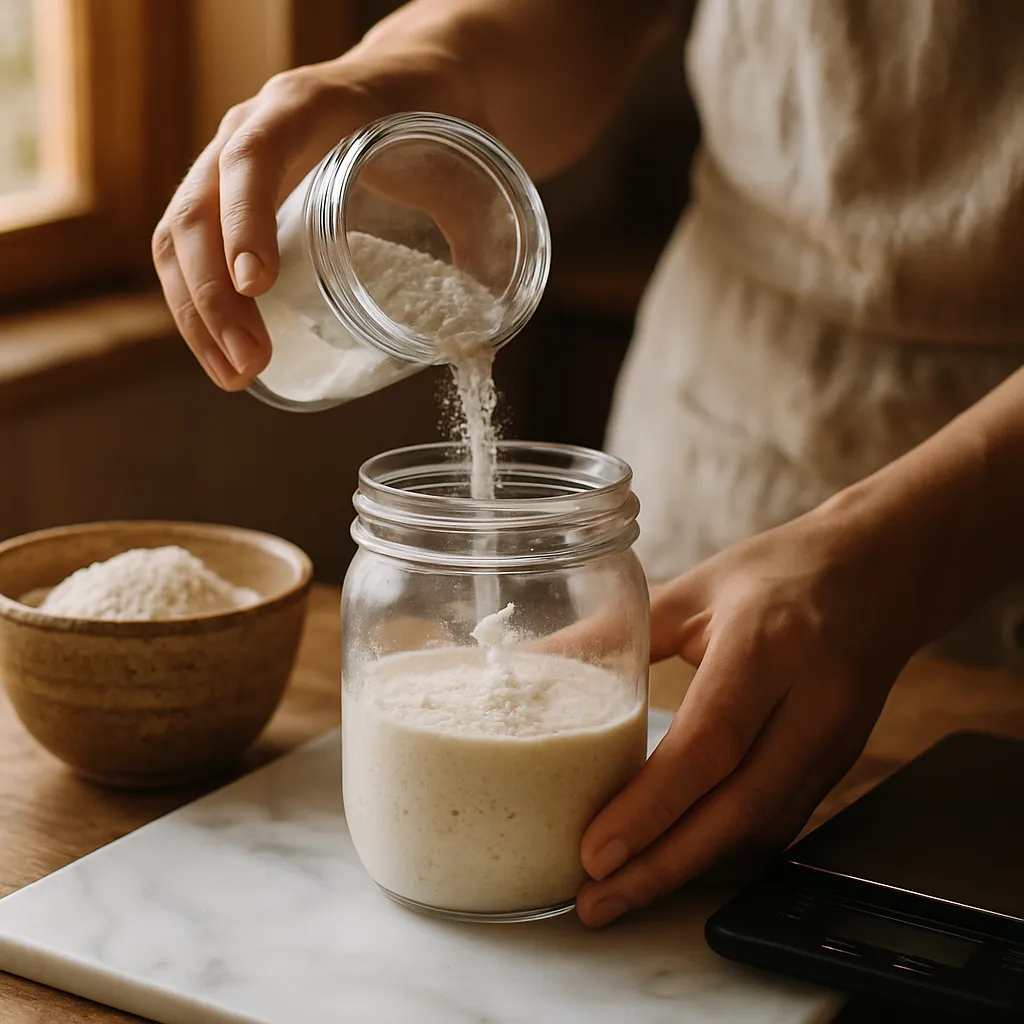
The brand presents its starter as an artisan culture for approachable home baking. This can help bakers who want a starting point for fermentation. They do not need to build a culture from scratch.
Local Production and Shipping
Bubba Goodcrumb ships dehydrated starter nationwide. The dried, dormant culture remains shelf-stable during the trip. After arrival, several days of feeding return it to active fermentation.
What Happens After Delivery?
After delivery, follow the care guide and watch the culture. The first levain may take longer than later builds. With regular feeding, it should show more bubbles and a clearer rise.

Long-Term Starter Care
Long-term starter care depends on consistency. Feed the culture to match your baking schedule. Watch its aroma, texture, and rise. A written guide can make fermentation easier to manage. This sourdough starter faq returns to those observations because they reveal change early.
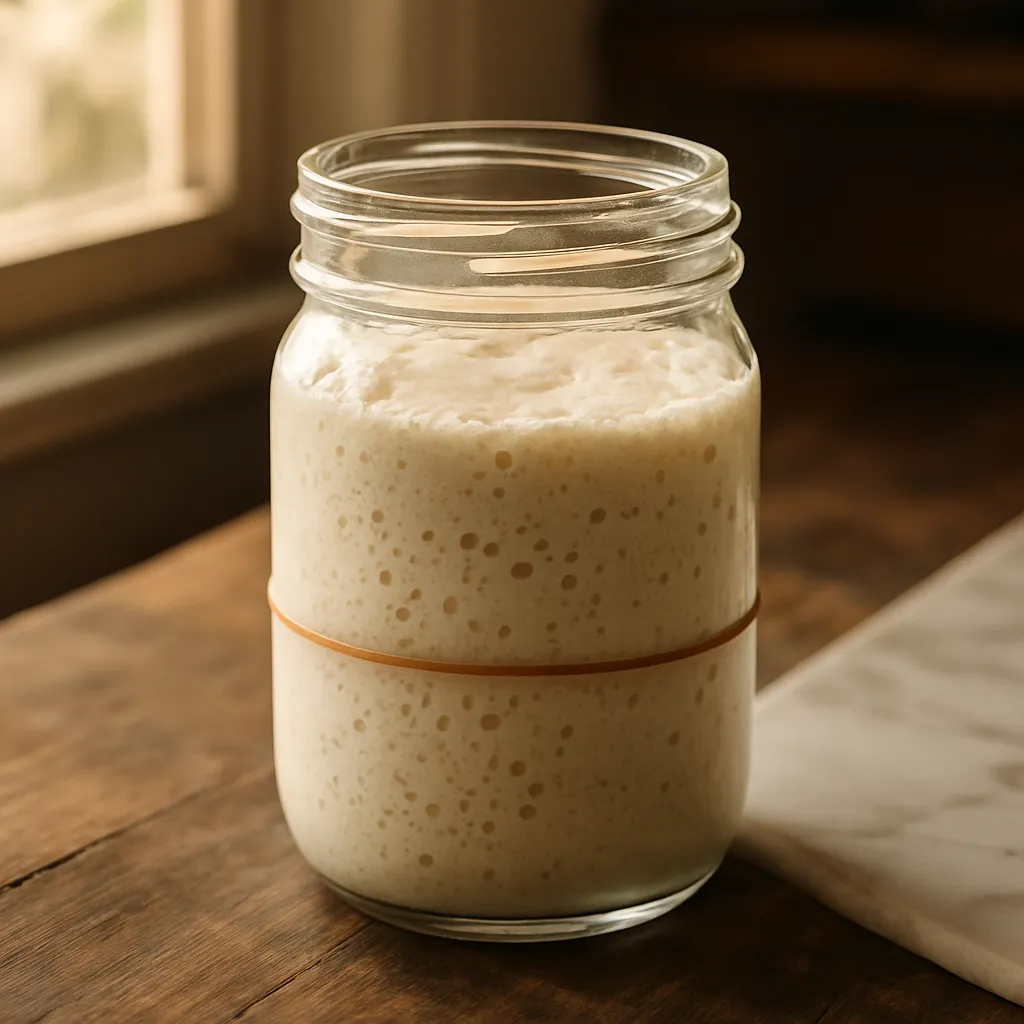
A rubber band can mark the starter's level. It shows how far the culture rises after feeding. A healthy levain often expands before it starts to settle.
Mid-Process Troubleshooting
A culture may change from one feeding to the next. That can confuse new bakers. Temperature, flour, and hydration all affect fermentation. Simple observations work better than strict promises about timing.
Care Over Time
A few habits help keep a culture healthy:
- Follow the included care guide's feeding schedule.
- Watch for bubbles and a steady rise.
- Use a clean container and fresh flour.
- Build a separate levain when preparing to bake.
Patience and regular care give the starter its best chance to stay active.
Troubleshooting a Starter That Isn't Rising
A slow rise often points to feeding time, temperature, or flour type. A living culture acts differently in each kitchen. Its conditions matter more than one fixed timeline. This sourdough starter faq helps frame slow activity as a condition to assess.
A sluggish culture is not always dead. Wild yeast and bacteria respond to warmth, feeding ratios, and fresh flour. A cool kitchen can make activation take longer.
Starter Activation Timing
Activation time varies from one household to another. Bubba Goodcrumb includes a detailed care guide for stalled rises and similar issues. Build the next levain after the culture shows new activity.
First Checks for a Sluggish Starter
Check the basics before assuming failure:
- Feeding consistency — irregular intervals can slow a young culture.
- Room temperature — a cold counter spot slows fermentation.
- Flour freshness — older flour may offer less food.
- Container clues — check for bubbles beneath the surface.
Give the culture time to respond after each change. A levain can recover when feeding, temperature, and timing become steady.
Benefits of a Sourdough Baking Community
A sourdough baking community gives new bakers support and troubleshooting help. Shared experiences create useful conversation starters. They can help when a loaf falls flat or a starter slows. This sourdough starter faq can give those conversations a practical starting point.
Other conversation starters can cover flour, fermentation, and discard. These talks help bakers compare methods. They also show why one kitchen's timing may not fit another.
Finding Sourdough Support
Beginners can start with the brand's guidance materials. They can then connect with bakers locally or online. A written guide sets the baseline. Experienced bakers can add context about smell, texture, and rise.
Community and Care Guides
Community advice can support written instructions. It should not replace them. The care guide remains the practical reference for feeding, storage, and activation.
Mastering sourdough starts with knowing your starter's rhythm. Each levain teaches you more about fermentation. Patience turns those observations into skill.
Sourdough Starter FAQ
What makes a sourdough starter different from commercial yeast?
A sourdough starter is a live culture of wild yeast and bacteria. It ferments flour and water to create rise and tangy flavor. Commercial yeast is a single strain. It does not create the same depth of fermentation.
How long does the Classic Bubba Starter take to activate?
The Classic Bubba Starter ships dehydrated and dormant. It rehydrates after several days of feeding. Drying helps keep it shelf-stable during shipping. Once active, it can support a levain for baking.
Does the Classic Bubba Starter taste very sour?
No. Bubba Goodcrumb makes the Classic Bubba Starter mild and versatile. It offers a gentle tang instead of a sharp sour taste.
How do I know when my levain is ready?
Look for bubbles, expansion, a pleasant aroma, and a rounded top. A levain may peak before or after a set number of hours. Temperature and feeding ratio affect fermentation speed.
Should I worry about hooch?
A little hooch usually means the culture needs food. Pour it off or stir it in, then feed the starter. If it smells unpleasant or shows unusual colors, do not use it.
Can I bake with sourdough discard?
Yes. Sourdough discard works well when flavor matters more than lift. Keep a separate active levain for dough that needs a dependable rise.
Start with a living culture, follow its rhythm, and let patience do the rising.
About Bubba Goodcrumb
Sharing practical sourdough guidance from the Bubba Goodcrumb kitchen in Las Vegas.
More from Bubba