Sourdough Starter Hydration and Consistency Guide
By Bernadette Valer, Bubba Goodcrumb
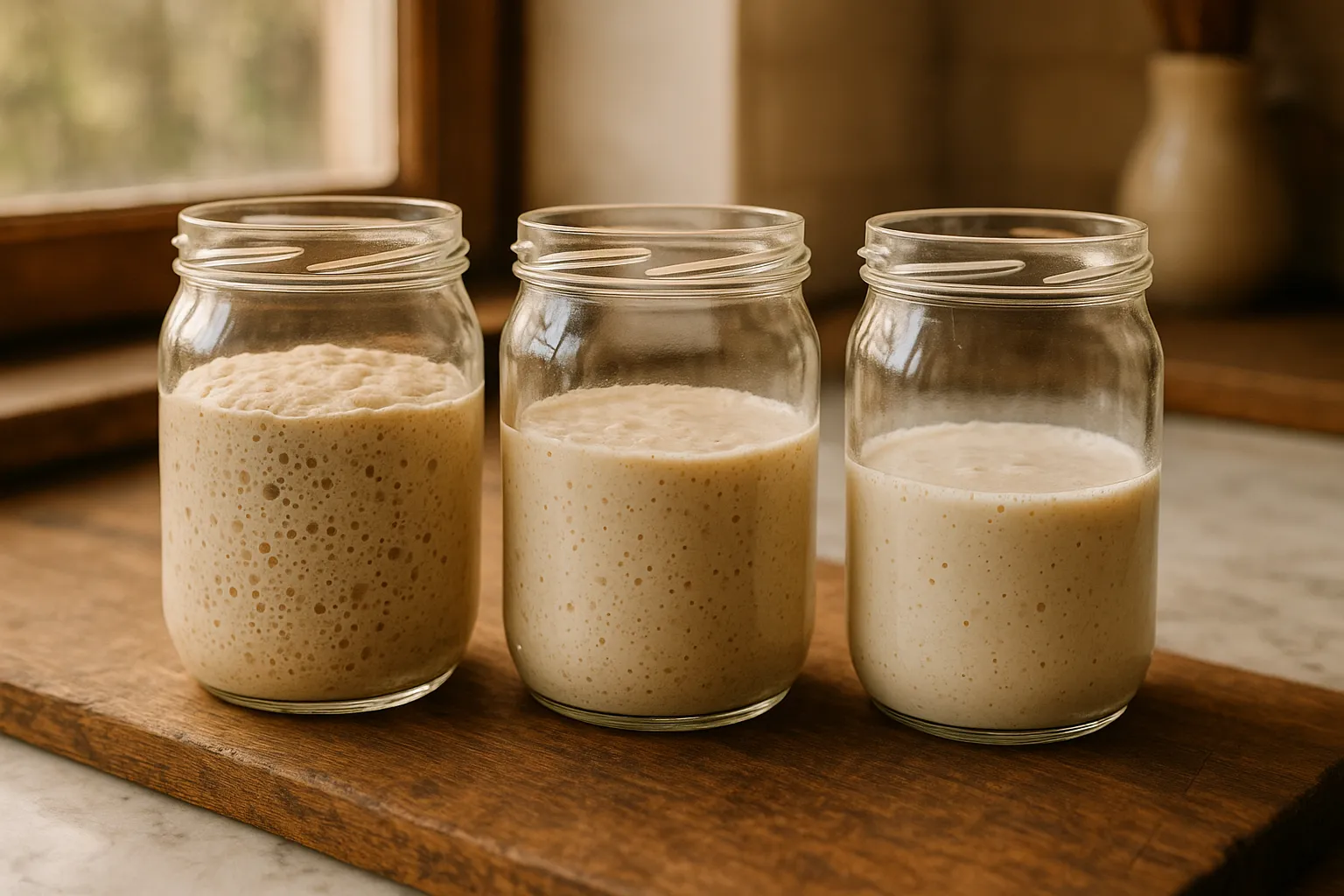
Understanding the hydration levels of sourdough starters is crucial for any home baker aiming to achieve the perfect loaf. Hydration refers to the ratio of water to flour in your starter, which significantly influences fermentation, dough texture, and ultimately, the quality of your bread. This guide will delve into the intricacies of sourdough starter hydration, providing you with the knowledge to adjust and maintain your starter for optimal baking results. We will explore the differences between liquid and stiff starters, how to measure and adjust hydration levels, and the benefits of using a 100% hydration starter. Additionally, we will discuss how to maintain consistent hydration for reliable baking outcomes.
Indeed, the fundamental nature of sourdough as a fermented mixture of flour and water is what gives it its unique characteristics.
Sourdough: Flour, Water, & Fermentation
Sourdough is a mixture of flour and water fermented with lactic acid bacteria (LAB) and yeasts, which determine its characteristics in terms of acid production, aroma and leavening [5].
The kinetics of fermentations in sourdough bread stored at different temperature and influence on bread quality, 2013
Starter Hydration Levels and Their Importance
Starter hydration levels indicate the proportion of water to flour in your sourdough starter, typically expressed as a percentage. For instance, a 100% hydration starter contains equal weights of flour and water. Understanding these levels is essential because they directly affect the fermentation process and the final texture of your bread. Higher hydration levels generally lead to a more open crumb structure and a chewier texture, while lower hydration can yield denser loaves. Thus, mastering hydration is key to achieving your desired bread characteristics.
Starter Hydration Percentage Calculation
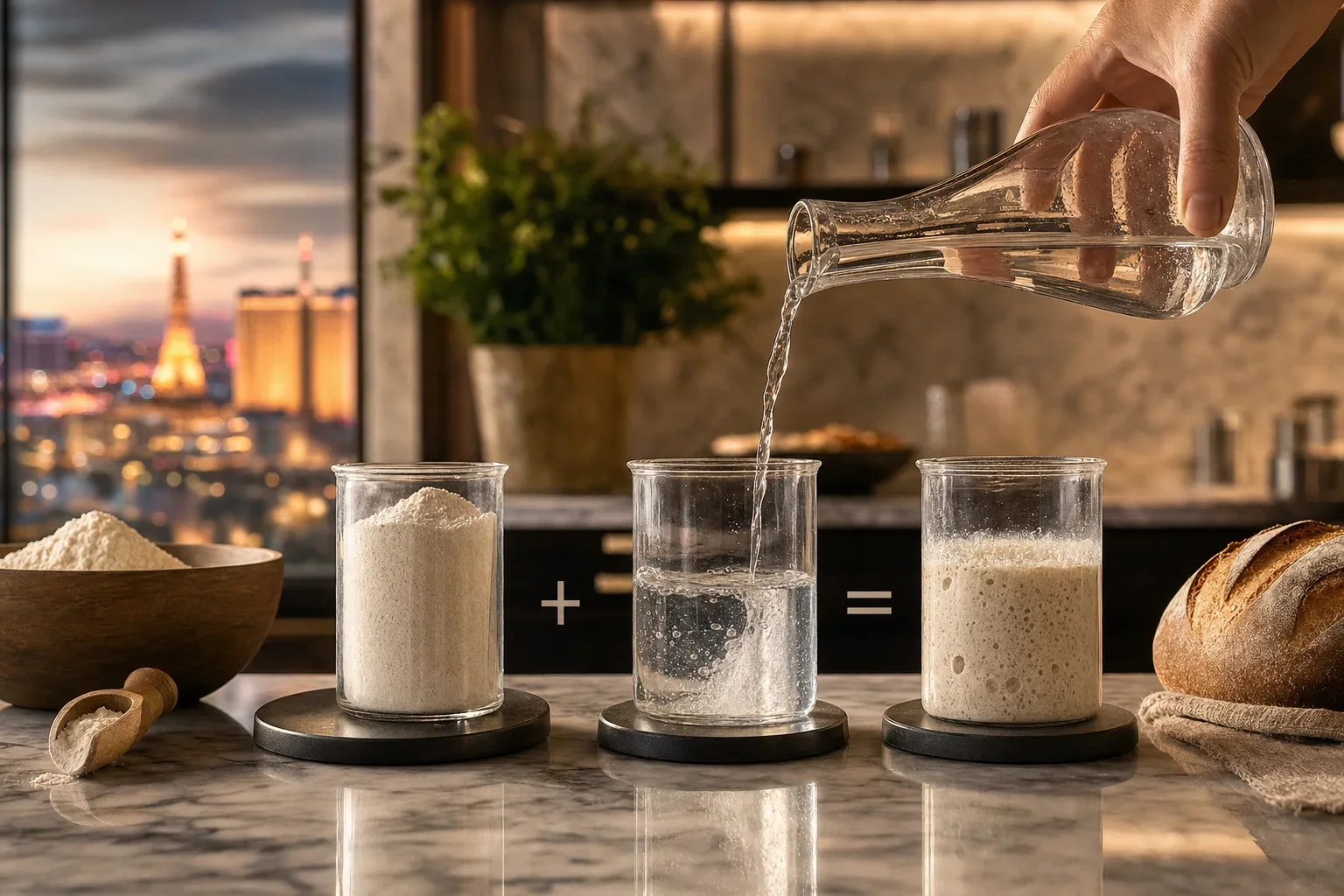
To calculate the hydration percentage of your sourdough starter, use the following formula:
For example, if you have 100 grams of flour and 100 grams of water, the calculation would be:
This straightforward calculation allows bakers to adjust their starter's hydration based on the desired bread outcome.
Hydration Effects on Fermentation and Dough Texture
Hydration levels significantly influence both fermentation and dough texture. Higher hydration starters promote faster fermentation due to increased enzyme activity, which breaks down starches into sugars that yeast can consume. This results in a more vigorous rise and a lighter texture in the final bread. Conversely, lower hydration can slow fermentation, leading to denser loaves. Additionally, the texture of the dough changes with hydration; wetter doughs are stickier and require different handling techniques compared to drier doughs. Understanding these impacts allows bakers to tailor their starters for specific baking goals.
Differences Between Liquid and Stiff Sourdough Starters
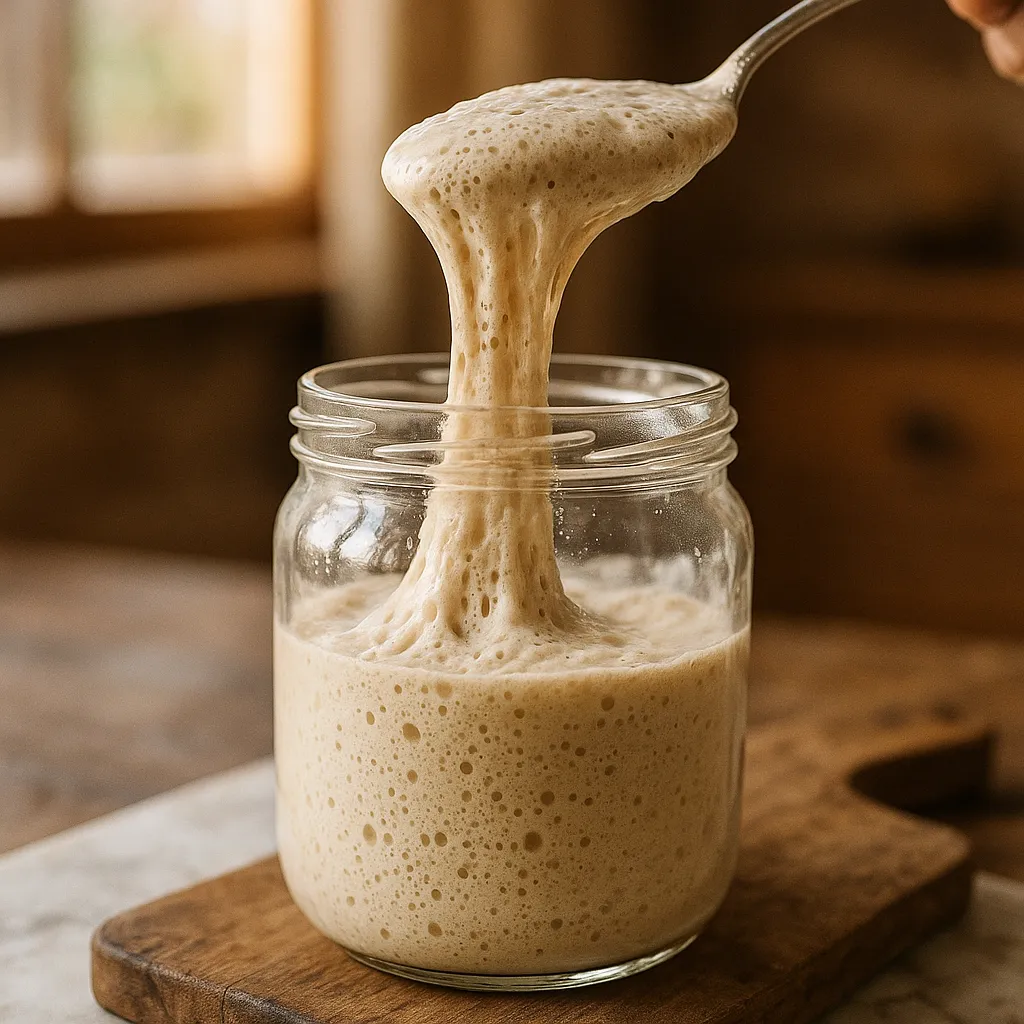
Liquid and stiff sourdough starters differ primarily in their hydration levels and resulting characteristics. Liquid starters typically have a hydration level of 100% or higher, while stiff starters are usually around 60-70% hydration. This difference affects their behavior during fermentation and the final bread quality.
Characteristics of a Stiff Starter
A stiff starter has a lower hydration level, resulting in a thicker consistency. This type of starter ferments more slowly, which can enhance the development of complex flavors in the bread. Stiff starters are often easier to handle and shape, making them ideal for certain types of bread, such as bagels or sourdough loaves that require a firmer dough. The reduced water content also means that stiff starters can be more resilient to temperature fluctuations, providing a stable fermentation environment.
Liquid Starter Effects on Bread Quality
Liquid starters, on the other hand, contribute to a more open crumb structure and a lighter texture in the final bread. The higher hydration allows for greater gas retention during fermentation, leading to a more airy loaf. Additionally, liquid starters can enhance the flavor profile of the bread, as the increased moisture supports a more active fermentation process. However, they can be more challenging to work with due to their stickiness and the need for careful handling to avoid deflating the dough.
Choosing Between Starter Styles
A stiff starter uses less water and holds its shape after feeding. Its bacteria develop steadily, while yeast activity stays easier to observe. Bakers may prefer this format when working with a firmer flour mixture or when a recipe calls for a traditional levain. A liquid starter spreads more easily, and its bacteria and yeast can move through the flour with less resistance. The choice between a stiff starter and a liquid starter often depends on the dough texture you want.
For enriched dough, a stiff starter can add structure without making the mix loose. The bacteria and yeast still ferment the flour, but the lower water content slows the process. A liquid starter can suit doughs that need extensibility. It also makes it easier to blend gluten-forming flour with water before mixing. Bakers who use autolyse may find a liquid starter simple to incorporate, while a stiff starter can support oven spring in dough that needs strength.
Fermentation produces acids as bacteria work alongside yeast. A stiff starter can encourage a measured buildup of lactic acid, while a liquid starter may create a softer, more fluid mixture. Both styles can produce carbon dioxide, which inflates the dough. The flour choice matters too. Strong flour can provide gluten for structure, while softer flour may create a gentler crumb. An autolyse can help hydrate the flour before the levain joins the dough, and a balanced stiff starter may improve oven spring.
Temperature changes how quickly bacteria and yeast consume available food. A stiff starter usually ferments at a slower pace because it contains less water. A liquid starter may peak sooner, especially when the flour is warm. Bakers can adjust feeding times rather than guessing from the clock. Acetic acid can contribute a sharper note, while a well-fed levain often smells pleasantly mild. During autolyse, keep the starter separate until the flour has absorbed enough water.
The flour in a stiff starter should be mixed completely, with no dry pockets left behind. That gives bacteria and yeast access to the available food. A liquid starter is easier to stir, but it can hide separation beneath the surface. Acetic acid may become more noticeable when the starter remains hungry for too long. A strong levain should rise predictably before it goes into the dough. That timing can protect oven spring and help the finished loaf hold its shape.
Gluten development also changes how each starter feels during mixing. A stiff starter contributes a firm piece of fermented flour, while a liquid starter blends quickly into the dough. Bacteria create flavor compounds, and yeast creates lift as fermentation continues. A levain with fresh flour usually smells cleaner than one left unfed. Another autolyse option is to mix flour and water first, then add the levain after a short rest.
When a recipe specifies a levain, a stiff starter can be refreshed with extra flour and less water. A liquid starter can be refreshed with equal weights of flour and water. The bacteria respond to both feeding methods, although the timing may differ. Yeast activity can appear as bubbles, expansion, and a rounded top. Watch the flour mixture rather than relying on a single visual sign. A levain is ready when it shows reliable activity for your kitchen conditions.
For a practical comparison, a stiff starter is easier to shape and transport in a dough, while a liquid starter is easier to pour and combine. Each style supports bacteria, yeast, and gluten development when fed consistently. A levain can be built from either format. Use a stiff starter when you want slower fermentation, and choose a liquid starter when you want faster mixing. This is the central lesson in stiff vs liquid starter decisions: hydration changes handling, timing, and flavor, not the need for careful feeding.
A final note for bakers who publish recipes online: a web application firewall protects a website, while a starter protects the character of a loaf. A waf setting is not a baking measurement, and a second waf reference belongs to website security rather than flour, water, or fermentation.
Measuring and Adjusting Starter Hydration
Measuring and adjusting your starter's hydration is essential for achieving consistent baking results. By understanding the tools and techniques available, you can easily modify your starter to suit your baking needs.
Tools and Techniques for Measuring Hydration
To accurately measure hydration, bakers should use a digital scale for precise weight measurements of both flour and water. Additionally, a mixing bowl and a whisk or spatula are useful for combining the ingredients. Some bakers also find it helpful to use a hydration calculator or app to assist in determining the correct ratios for their specific recipes.
Step-by-Step Guide to Adjusting Starter Hydration Levels
Adjusting your starter's hydration involves a few simple steps:
Determine Current Hydration: Calculate the current hydration percentage using the formula provided.
Decide on Target Hydration: Based on your baking goals, decide whether to increase or decrease hydration.
Adjust Ingredients: To increase hydration, add more water; to decrease it, add more flour. Ensure that the total weight of the starter remains consistent.
Mix Thoroughly: Combine the ingredients until fully incorporated, ensuring no dry flour remains.
Monitor Fermentation: Observe how the changes affect fermentation and adjust as necessary in future feedings.
By following these steps, you can effectively manage your starter's hydration to achieve the desired results in your baking.
What Is a 100% Hydration Sourdough Starter and How Do You Use It?
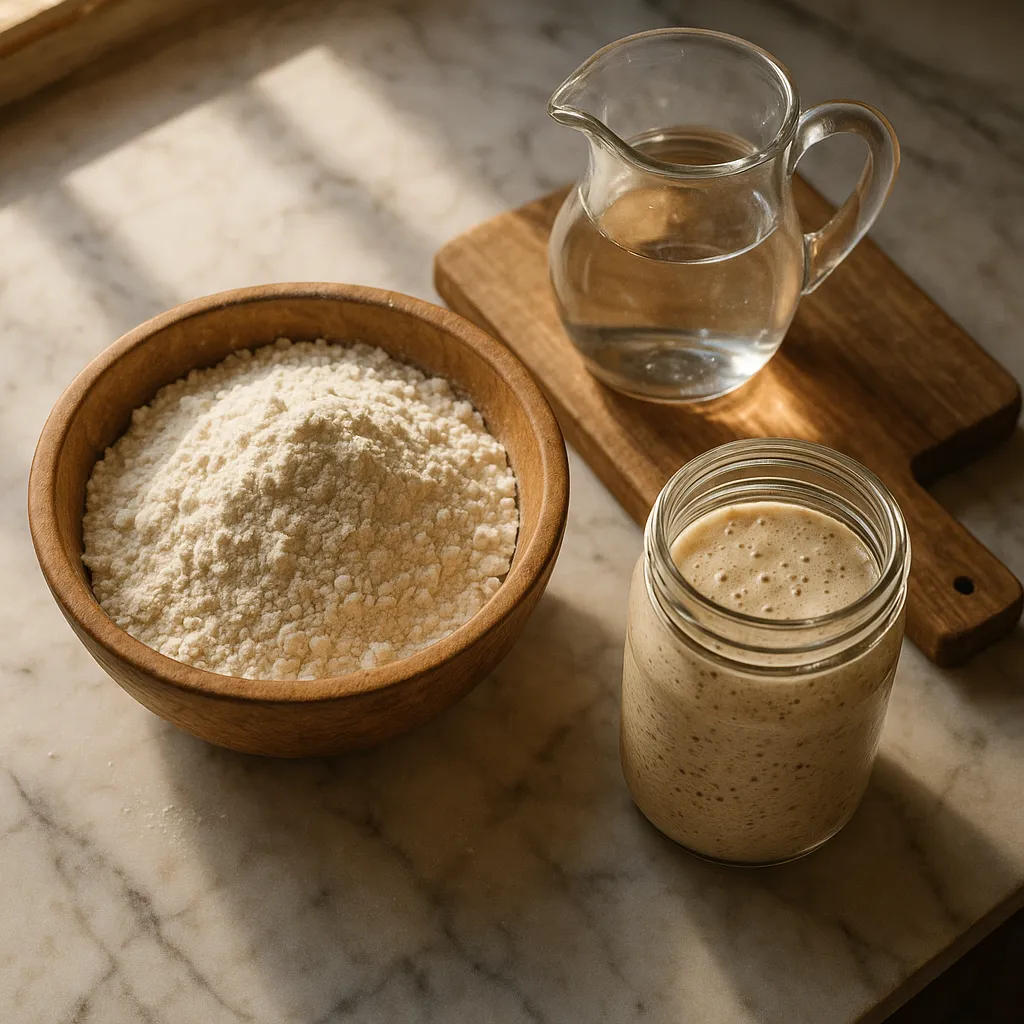
A 100% hydration sourdough starter is one where the weight of water equals the weight of flour. This type of starter is popular among bakers for its versatility and ease of use.
How to Prepare a 100% Hydration Starter Recipe
To prepare a 100% hydration starter, combine equal weights of flour and water. For example, mix 100 grams of all-purpose flour with 100 grams of water in a clean container. Stir until well combined, cover loosely, and let it sit at room temperature for 12-24 hours. Feed the starter with equal parts flour and water every 12 hours until it becomes bubbly and active.
Benefits of Using a 100% Hydration Starter in Baking
Using a 100% hydration starter offers several advantages:
Versatility: It can be used in a variety of bread recipes, from crusty loaves to soft sandwich bread.
Flavor Development: The active fermentation process enhances the flavor profile of the bread, resulting in a more complex taste.
Texture Improvement: The higher moisture content contributes to a lighter, airier crumb structure, making for a more enjoyable eating experience.
These benefits make a 100% hydration starter a favorite among many bakers.
How Do You Maintain Consistent Starter Hydration for Reliable Baking?

Maintaining consistent hydration levels in your sourdough starter is crucial for reliable baking outcomes. By establishing a regular feeding schedule and troubleshooting common issues, you can ensure your starter remains healthy and active.
What Feeding Schedules Support Stable Hydration Levels?
A consistent feeding schedule is essential for maintaining stable hydration levels. Most bakers find success with a feeding routine of every 12 hours, using equal parts flour and water. However, depending on the ambient temperature and the activity level of your starter, you may need to adjust this schedule. In warmer conditions, more frequent feedings may be necessary, while cooler environments may allow for longer intervals between feedings.
How to Troubleshoot Common Hydration and Consistency Issues
Common issues with starter hydration include separation of liquid (hooch) on the surface, sluggish fermentation, or overly dense dough. To troubleshoot these problems:
Hooch Formation: This indicates that your starter is hungry. Increase the frequency of feedings or adjust the flour-to-water ratio.
Sluggish Fermentation: If your starter is not rising as expected, consider increasing the temperature of its environment or using warmer water during feedings.
Dense Dough: If your bread is consistently dense, experiment with increasing the hydration level of your starter to improve gas retention.
By addressing these issues promptly, you can maintain a healthy starter that performs reliably in your baking.
Where Can Bakers Find Quality Sourdough Starters with Precise Hydration?
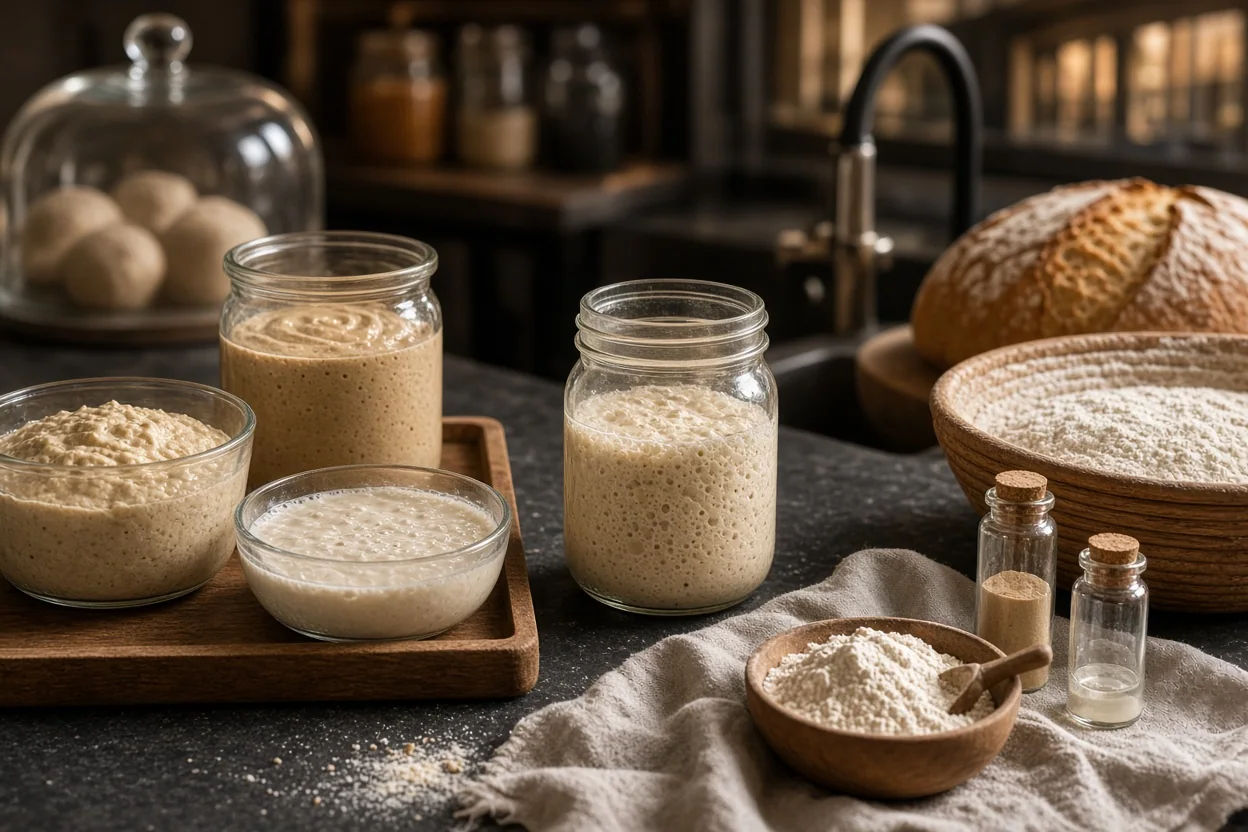
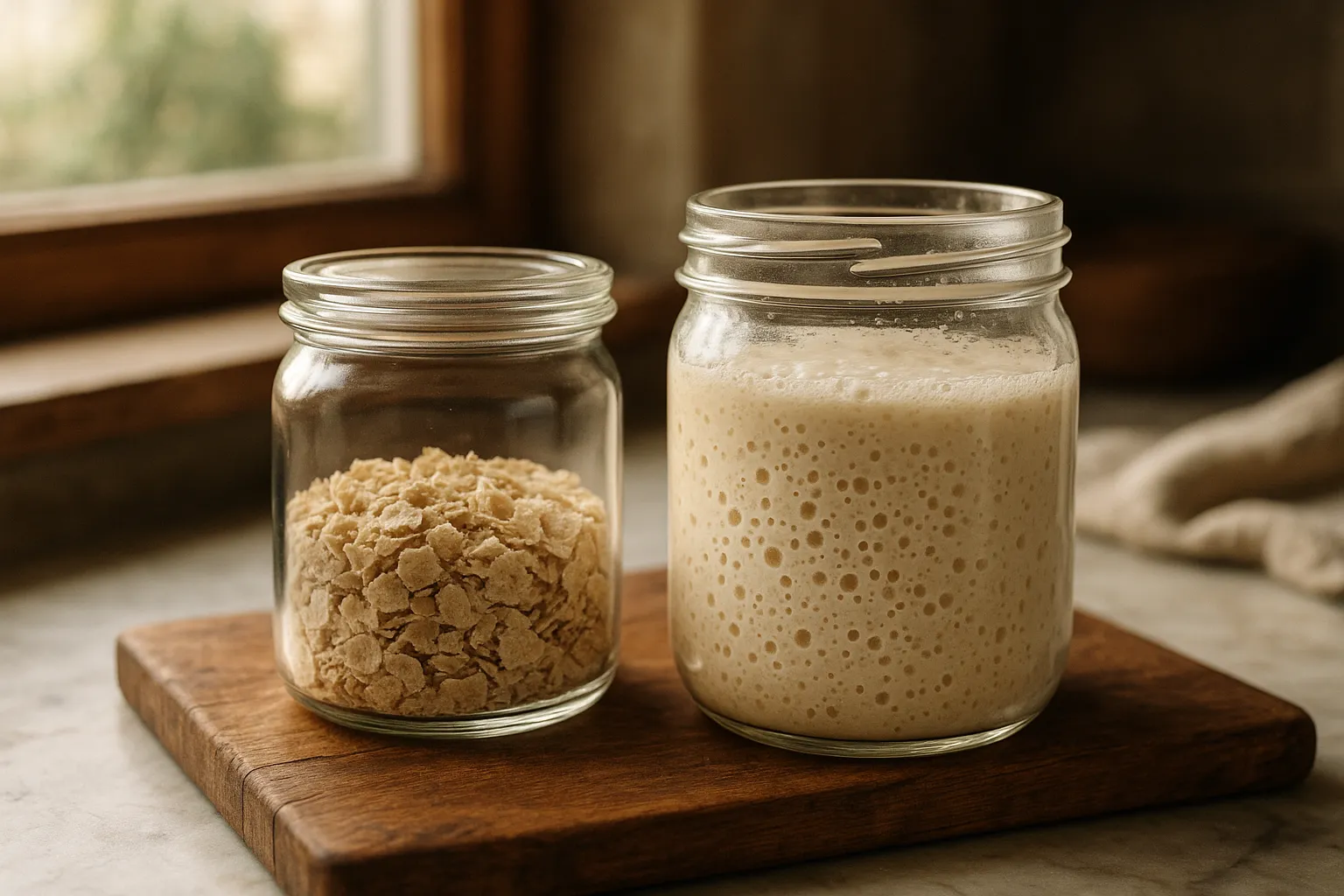
For bakers in Las Vegas seeking high-quality sourdough starters, Bubba Goodcrumb offers a premium option. Their original sourdough starter is priced at $20 and is designed to provide consistent results for home bakers. This starter ships nationwide to all 50 states and Washington, DC, delivered right to your door. It arrives dehydrated and dormant, so you rehydrate it at home over several days of feeding, using the included care guide, before baking. By choosing a reliable starter, bakers can ensure they have the best foundation for their sourdough creations.
About Bubba Goodcrumb
Sharing practical sourdough guidance from the Bubba Goodcrumb kitchen in Las Vegas.
More from Bubba
Related reading
How to Convert Yeast to Sourdough
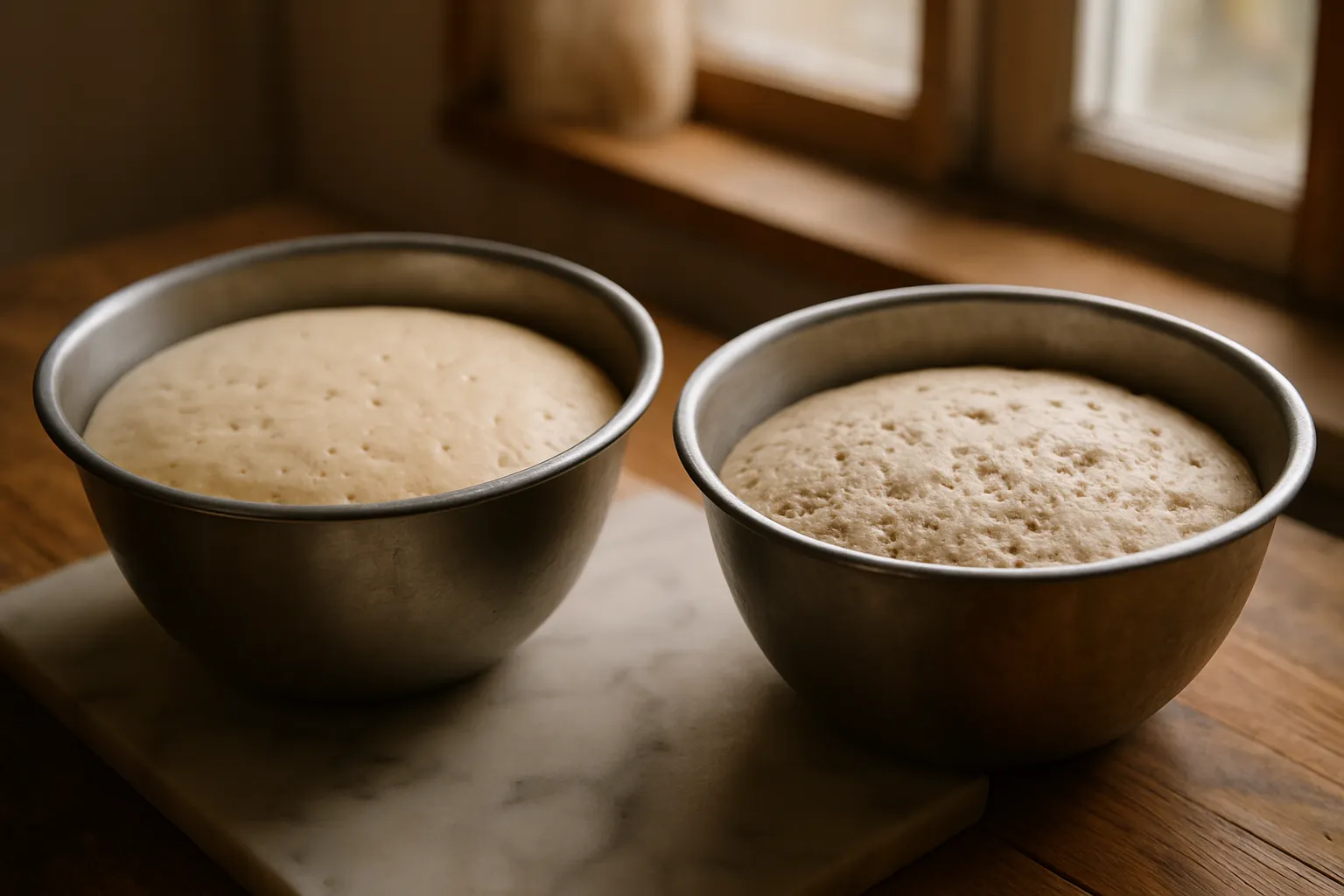
Replace commercial yeast with sourdough starter using Bubba Goodcrumb's simple conversion formula. Adjust hydration, extend rise times, and bake with wild.
Revive Sourdough Starter: How to Revive a Dormant Sourdough Starter
Learn how to revive sourdough starter with consistent feeding. Bubba Goodcrumb explains how to bring a dormant culture back to life at home.
How to Revive Sourdough Starter Quickly
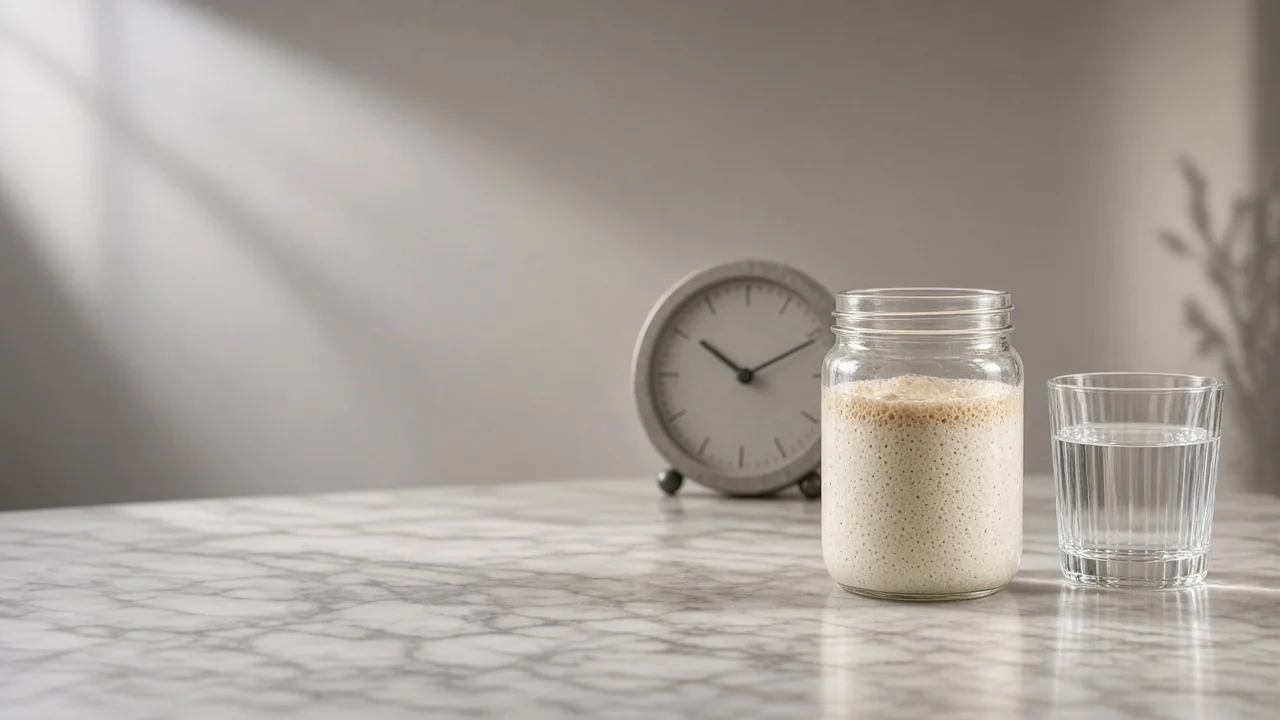
Revive a dormant sourdough starter in 3-5 days with consistent daily feedings. Bubba Goodcrumb shows how to rescue neglected starters and get them baking again.